Engineering takeaway
Treat the model, drawing, material specification, finish, and inspection plan as one production package. The best result comes from resolving tradeoffs before the part reaches the machine.
01
Start with part function
A sound approach to What Determines CNC Milling Cost begins with loads, interfaces, operating conditions, quantity, and acceptance criteria. Manufacturing decisions should follow those requirements.
02
Plan geometry around the process
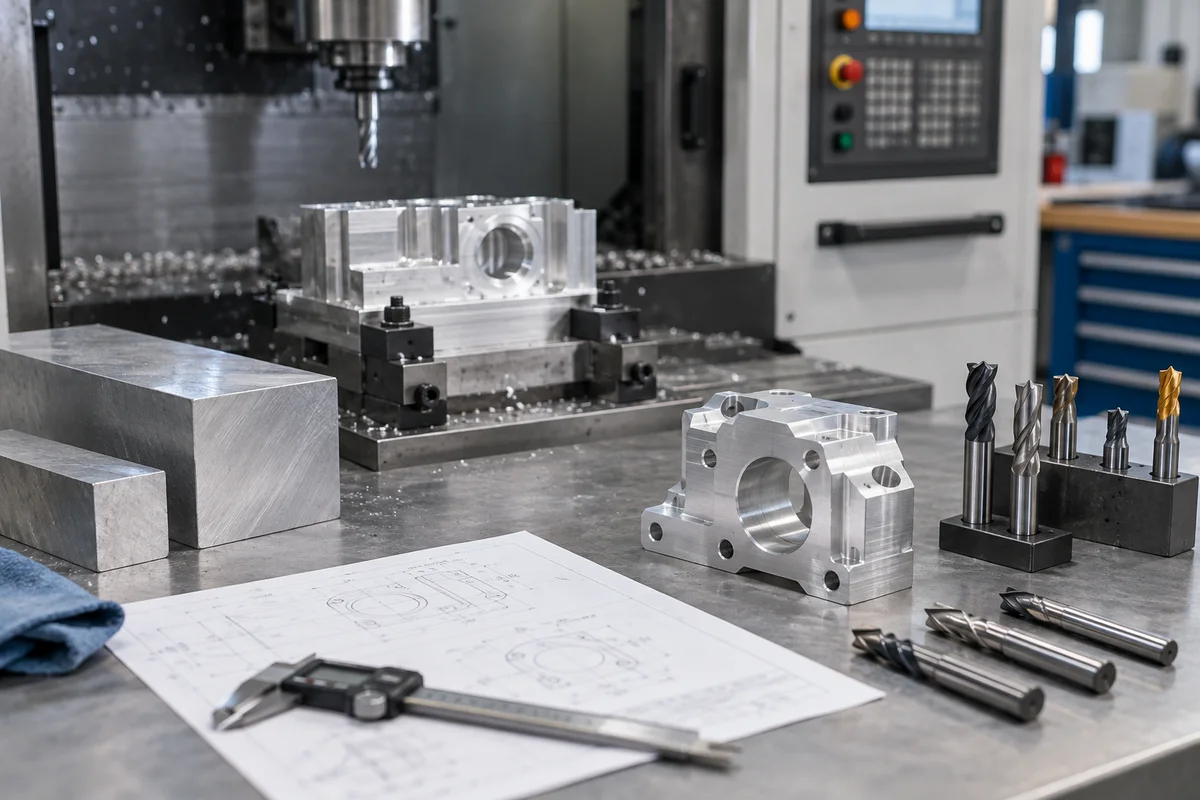
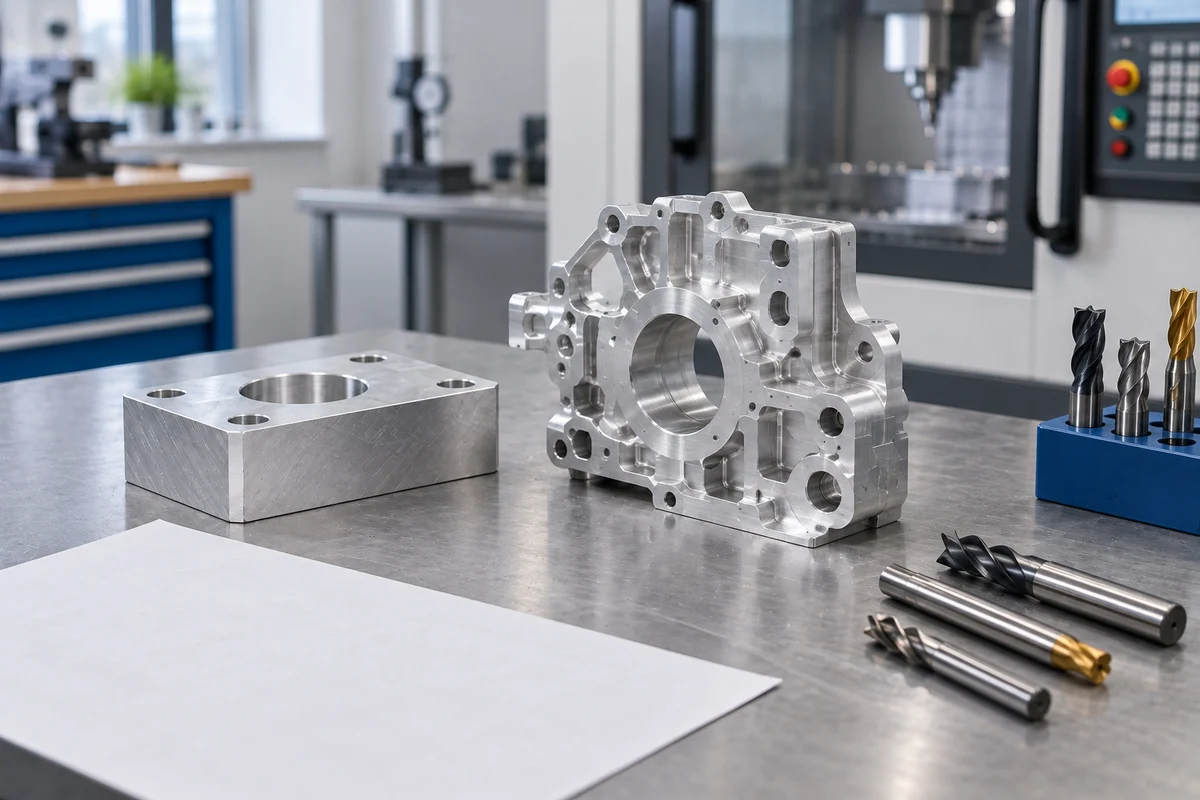
Tool access, workholding, feature depth, internal radii, wall thickness, and setup count affect feasibility and repeatability. Simplify non-functional geometry before tightening specifications.
- Functional interfaces identified
- Critical dimensions prioritized
- Material and finish specified
- Inspection needs documented
03
Balance tolerance, finish, and cost
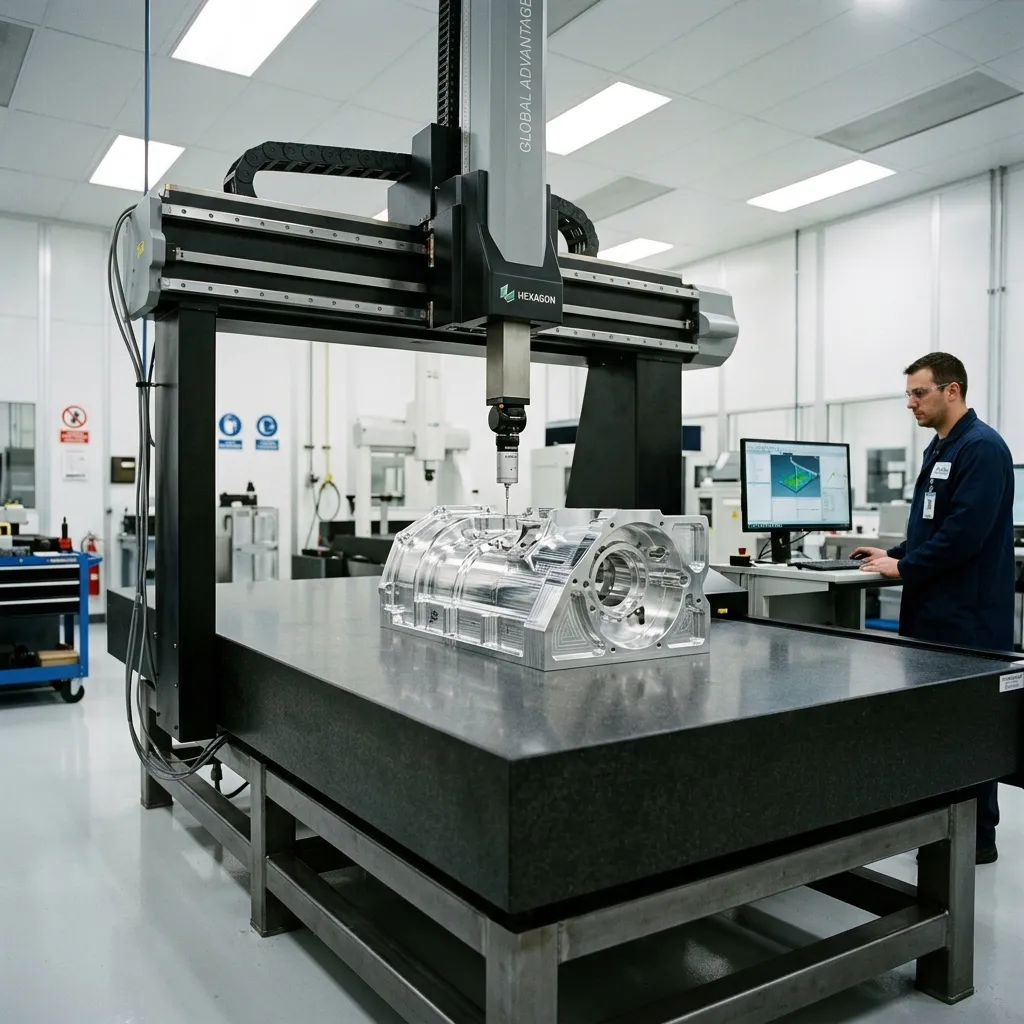
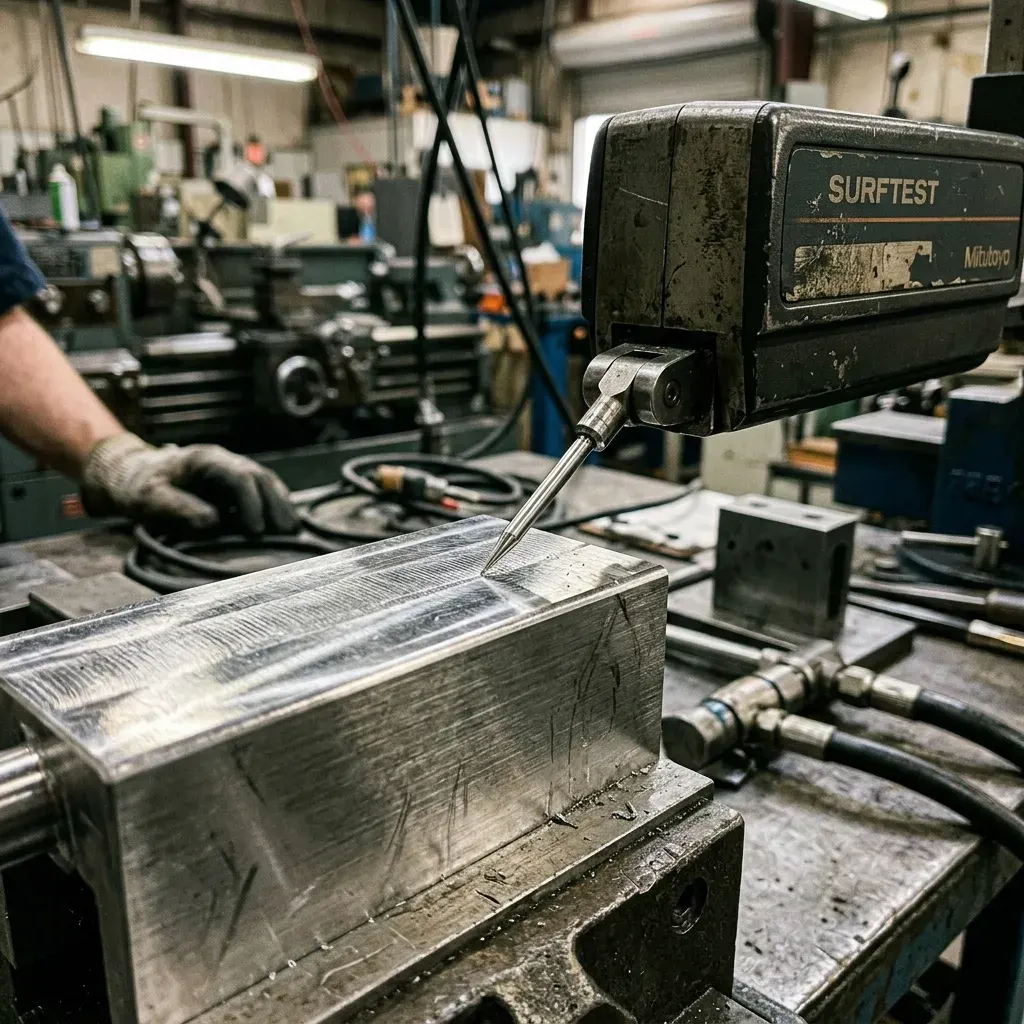
Close tolerances and fine finishes increase process and inspection effort. Apply them selectively to functional surfaces and communicate which features carry the most risk.
04
Provide complete technical data
Submit a STEP model and drawing with material, quantity, datums, threads, tolerances, finish, inspection, and documentation requirements for a project-specific review.
Manufacture with clarity
Ready for an engineering review?
Upload your CAD file and share the material, quantity, finish, and critical requirements. Our team will review the actual project data before production.
Get an Instant Quote