Swiss CNC · Sliding Headstock
Small Diameters.Serious Precision.
Swiss-type machining for slender, intricate components that demand stable tolerances, clean finishes, and efficient repeat production.
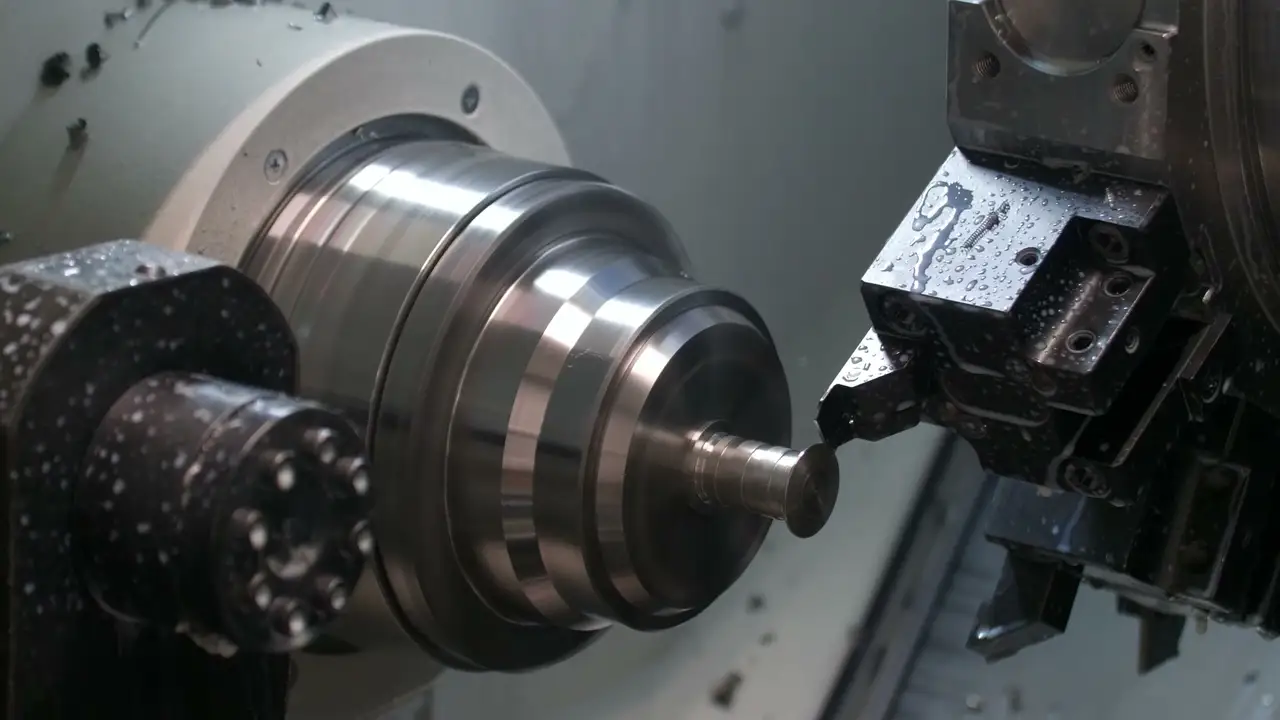
Start with your CAD file
Upload. Configure. Get your price.
STEP or STP
Encrypted · Max. 50 MB
What Is Swiss CNC Machining?
Swiss-type CNC machining feeds bar stock through a guide bushing so cutting occurs close to the support point. This configuration helps control deflection while producing small, slender, and complex components.
CAM software converts the STEP model into toolpaths. Depending on the machine configuration, the main spindle, sub-spindle, and live tools can coordinate turning, drilling, threading, and milling operations.
The process is especially useful for small-diameter parts with a high length-to-diameter ratio. Common applications include medical components, aerospace fasteners, connector pins, valve needles, and precision shafts.
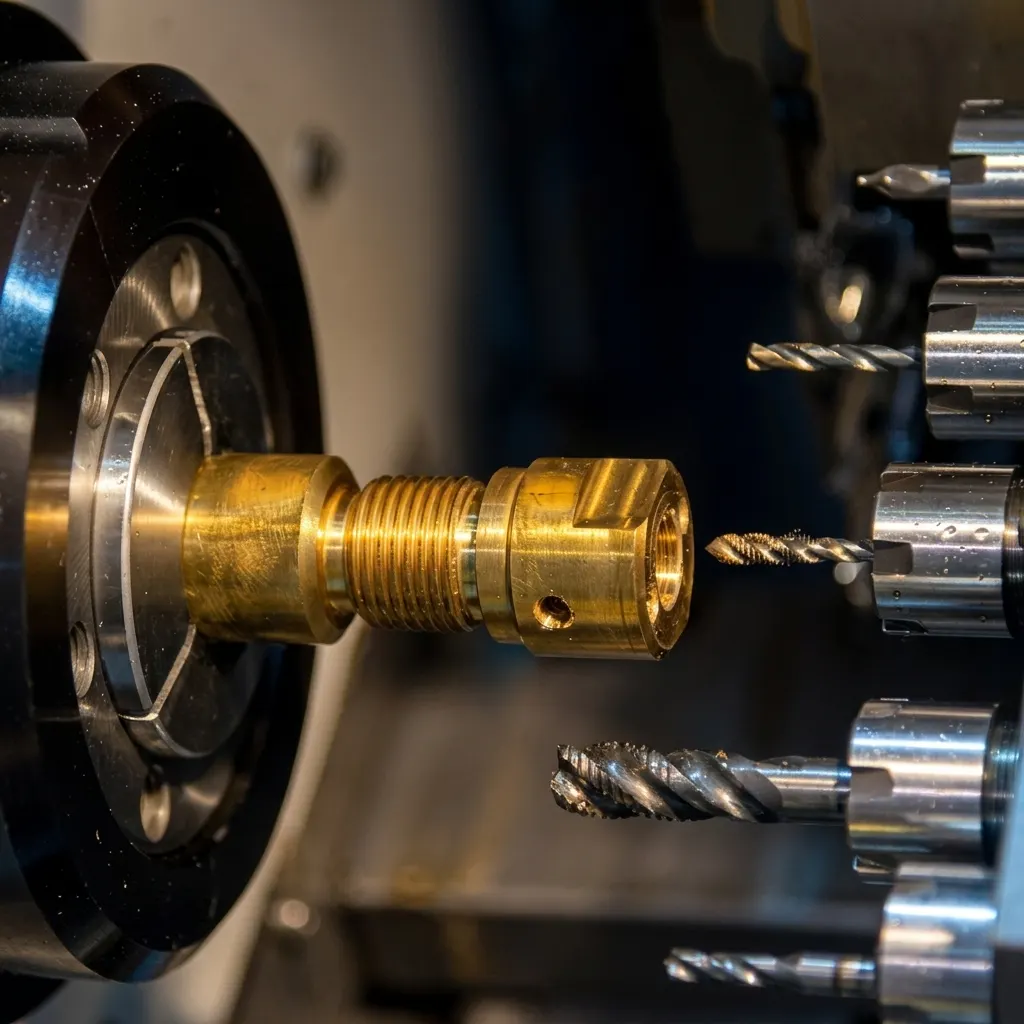
Swiss-Type CNC
Machine Configurations
Machine configuration determines which turned, drilled, threaded, and milled features can be completed in a coordinated setup. The appropriate setup depends on part geometry and production requirements.
Bar stock advances through a guide bushing while cutting takes place close to the support point, helping control deflection in long, slender parts.
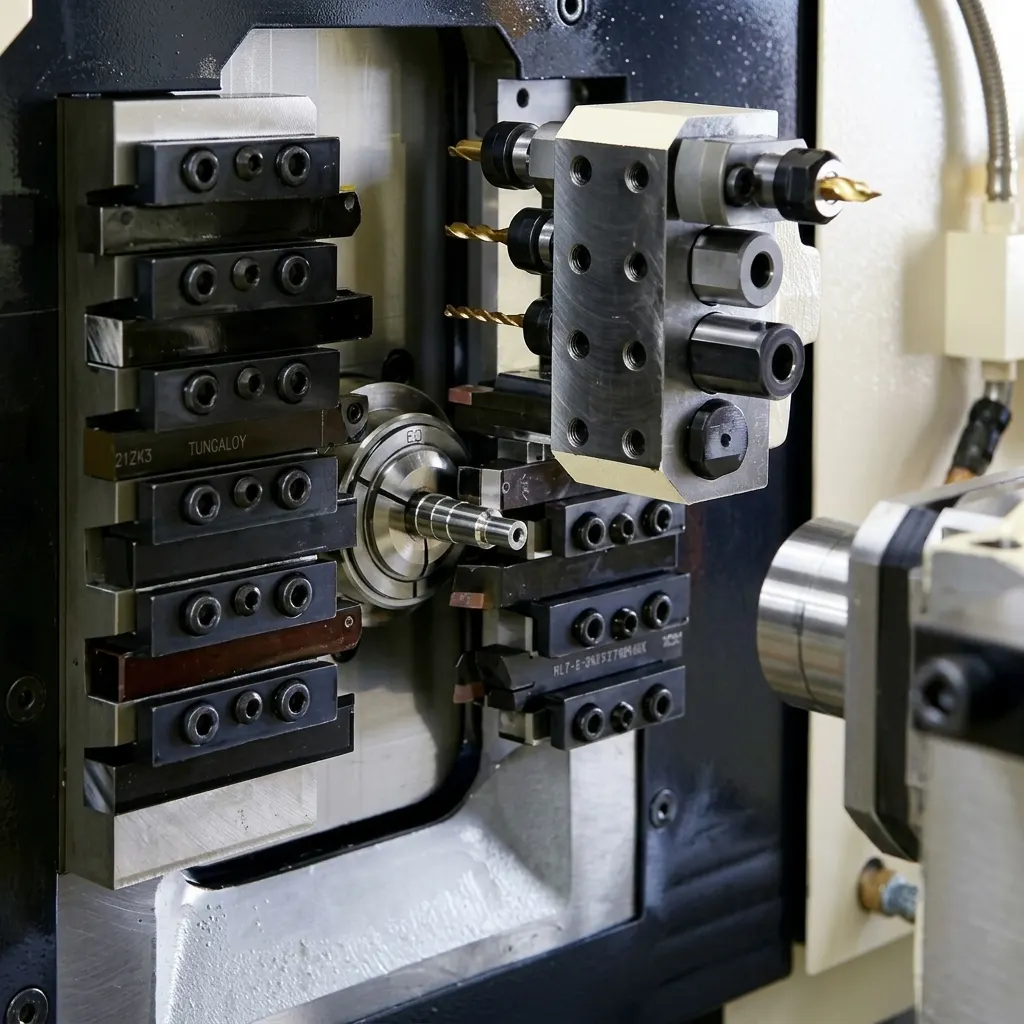
A sub-spindle and live tooling can machine back-side and milled features within a coordinated workflow, reducing secondary setups.
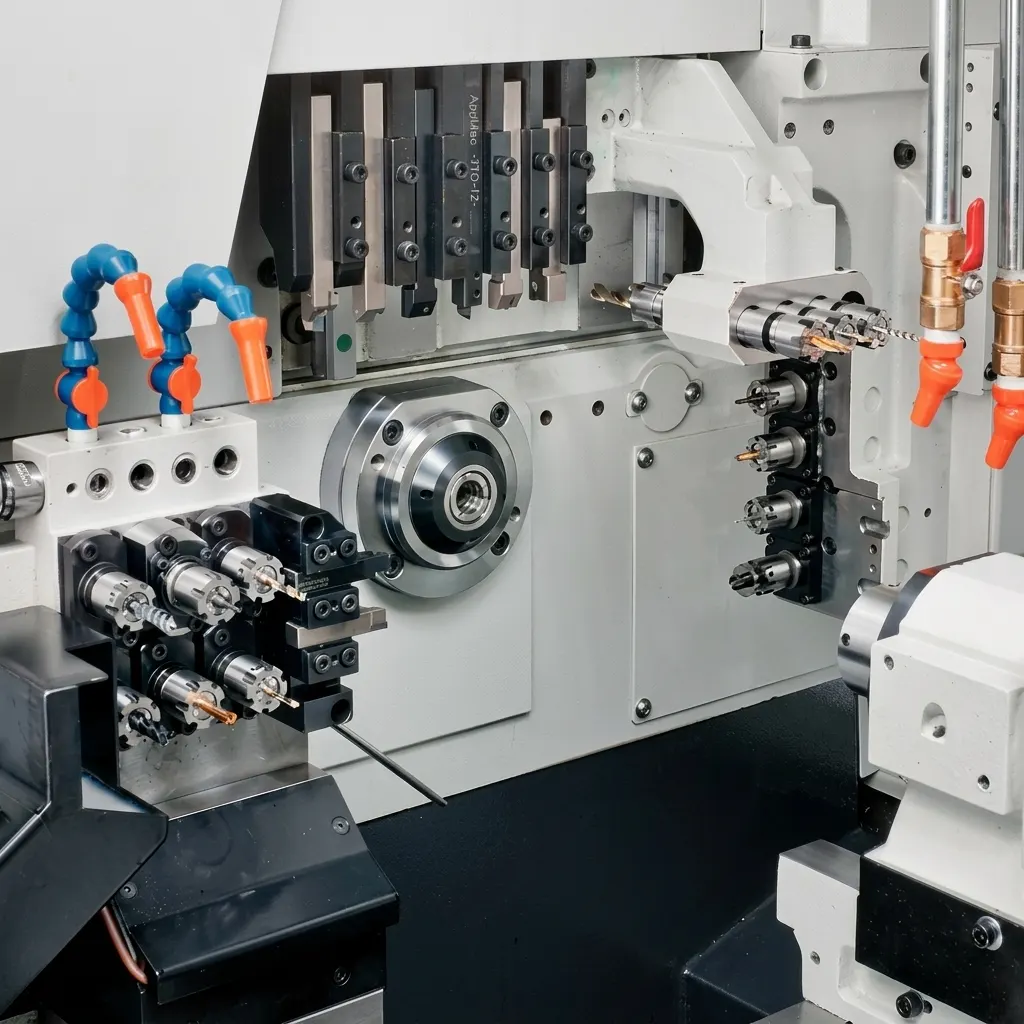
Swiss CNC Applications
Swiss CNC machines are well suited to small, slender, complex components used across demanding industries.
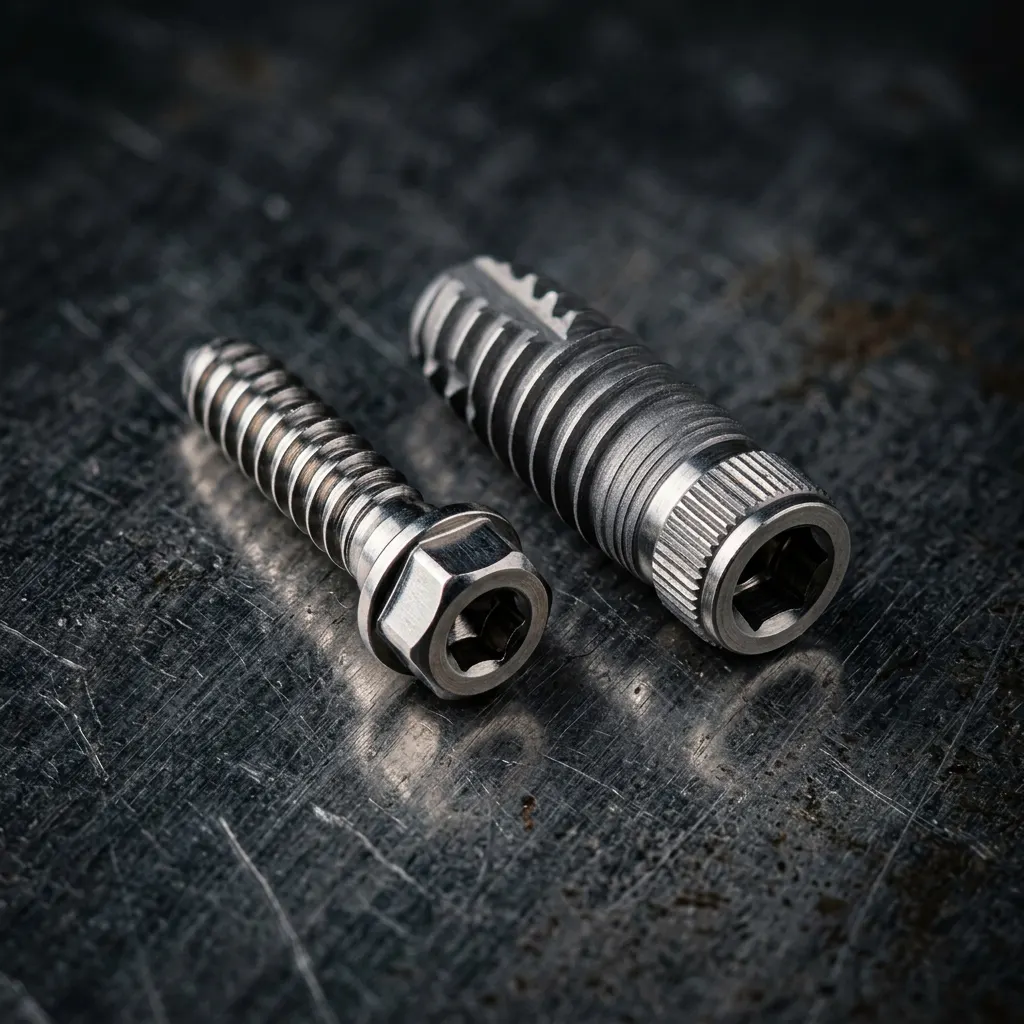
Medical Implants & Fasteners
Small titanium screws, implant-related components, and surgical instrument parts.
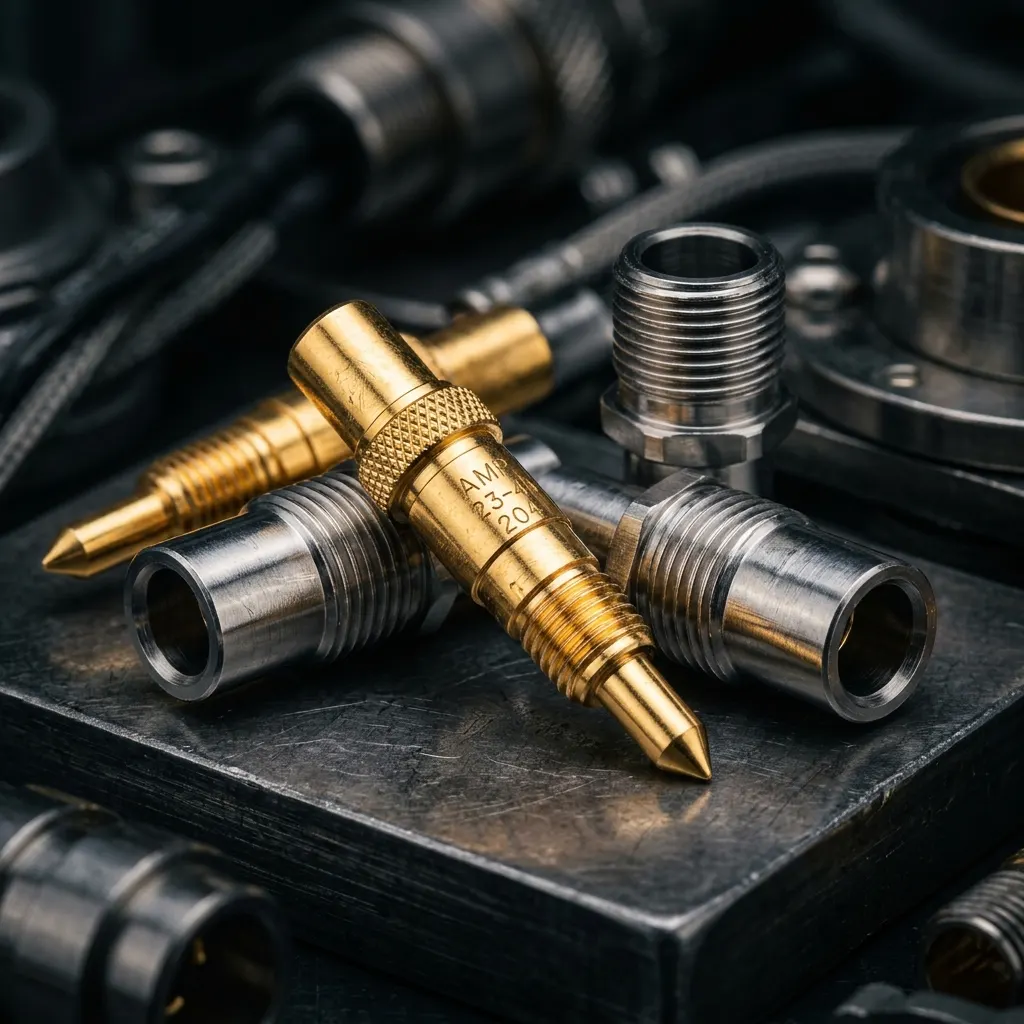
Aerospace Connector Pins
High-precision connector pins used in aerospace electronics and interconnect systems.

Watch Components & Micro Gears
Miniature shafts, gears, and mechanism components requiring controlled fine features.
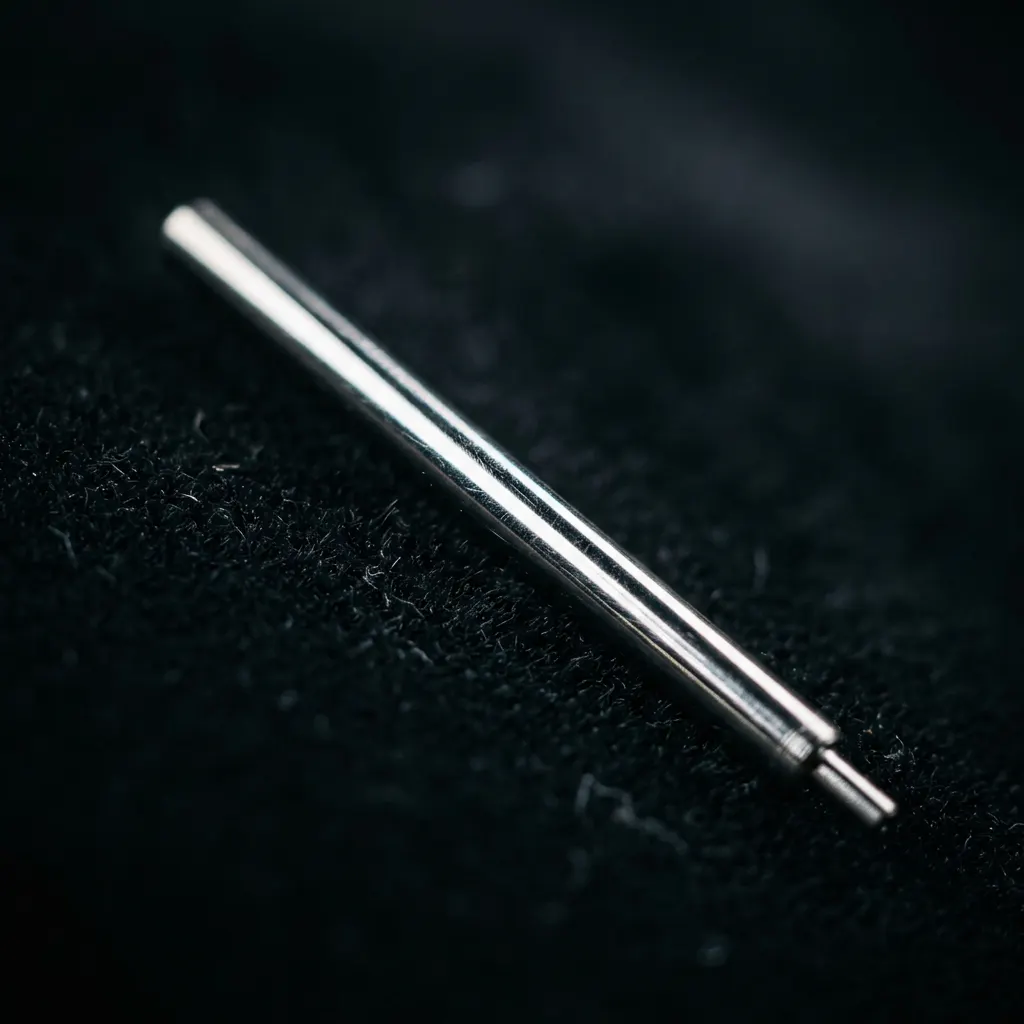
Precision Shafts & Spindles
Slender shafts used in micro motors, robotics, sensors, and automation equipment.
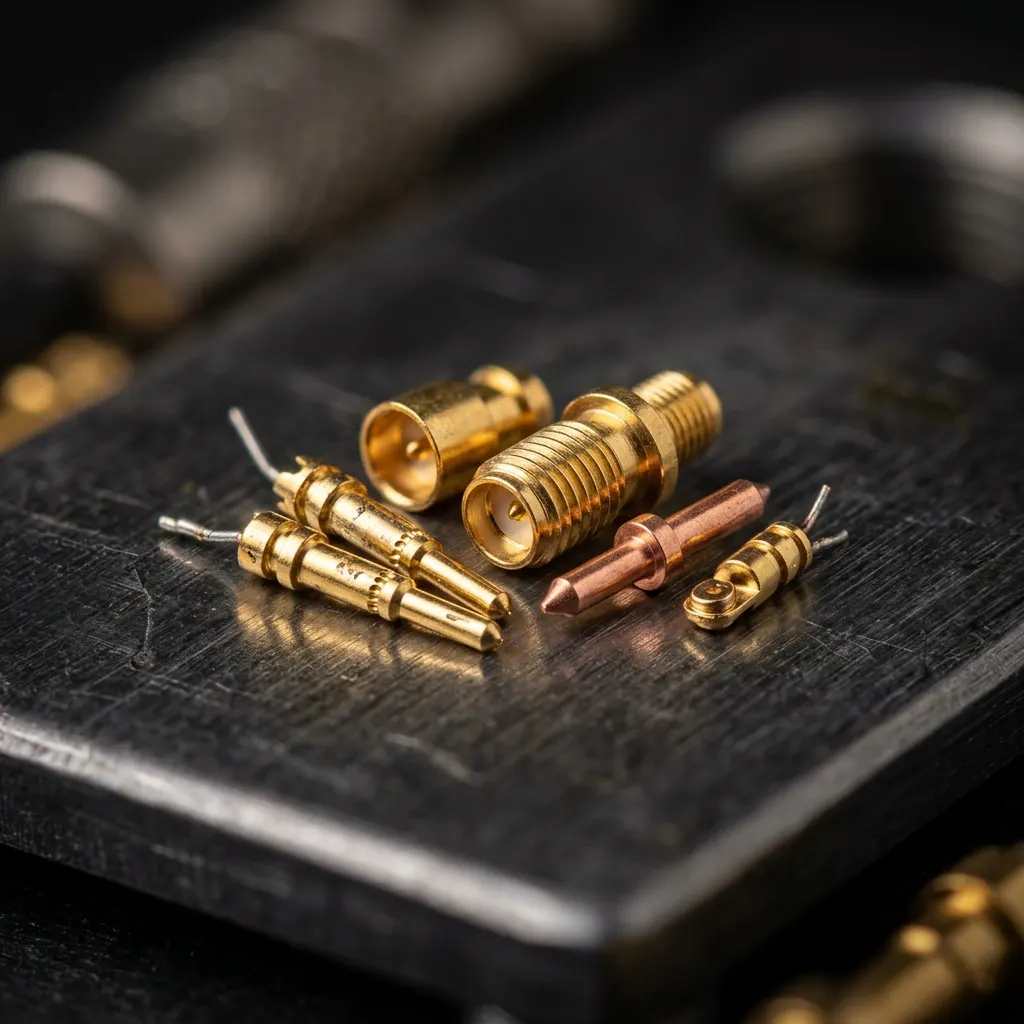
Electronic Contact Components
Fine brass and copper contacts used in RF connectors, sockets, and electronic assemblies.
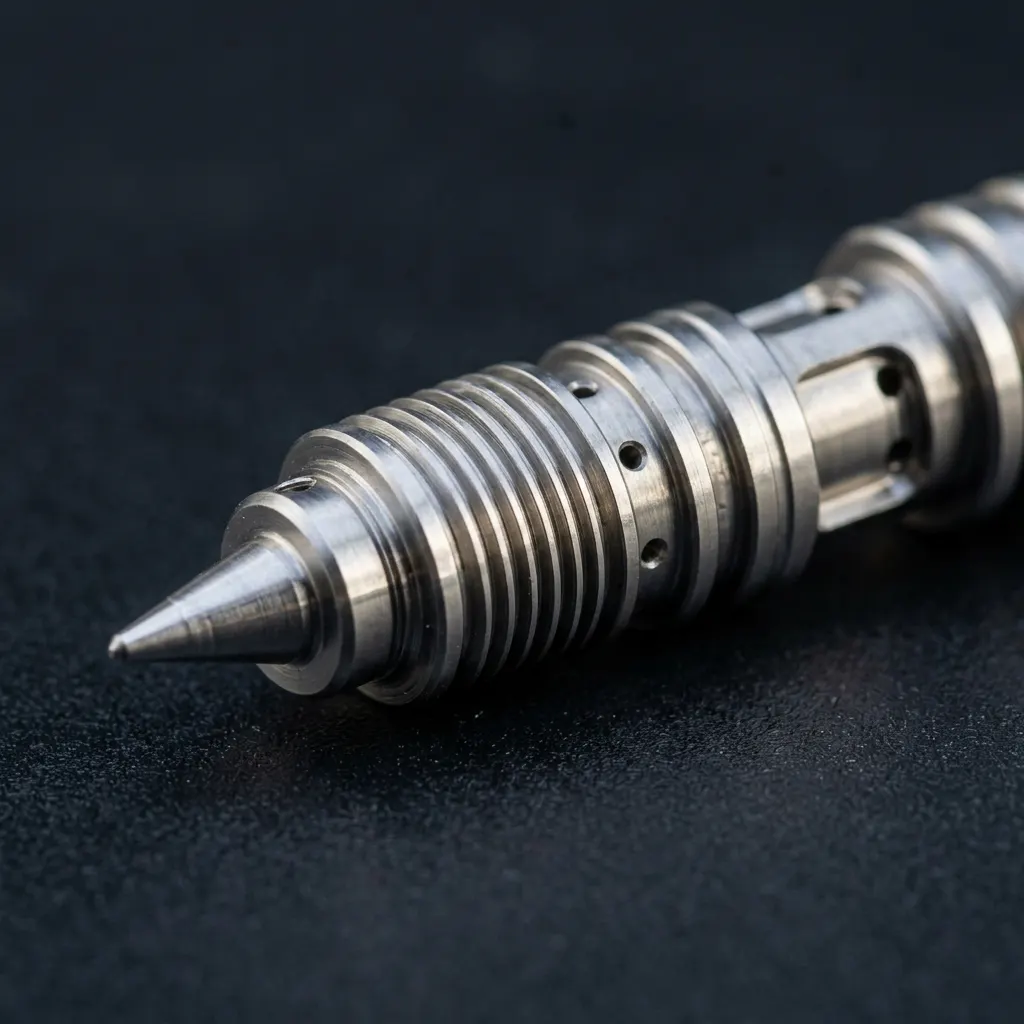
Pneumatic & Hydraulic Valve Needles
Precision valve stems and needles used to control fluid or gas flow.
Swiss CNC Capabilities and Tolerances
Representative Swiss CNC capabilities. Final limits depend on geometry, material, and order requirements.
Design Tips for Swiss CNC Machining
Use these guidelines to improve manufacturability and reduce unnecessary setup and machining cost.
Avoid Deep, Narrow Pockets
Deep narrow features can cause tool deflection and chatter. Keep depth-to-width ratios practical where possible.
Add Radii to Internal Corners
Round cutting tools cannot create perfectly sharp internal corners. Use a practical internal radius.
Avoid Unnecessarily Tight Tolerances
Apply tight tolerances only to functionally critical dimensions and use a suitable general tolerance elsewhere.
Use Standard Hole Sizes
Standard drill and thread sizes use readily available tooling and can reduce setup time and cost.
Avoid Very Thin Walls
Thin walls can deflect during machining. Maintain practical wall thickness for the selected material and geometry.
Define Datum Surfaces
Clearly identify datum and setup references on the technical drawing.
Frequently asked
questions
Review common questions about Swiss Machining. Contact our team when your drawing, material, or inspection requirements need project-specific review.
Can’t find your answer? Send our team the project details and technical files for review.
→ support@partgo.usYour next part starts here
Start building
better parts.
From first prototype to repeat production, tell us what you're building. Our manufacturing team will help you plan the fastest path forward.