Engineering takeaway
Treat the model, drawing, material specification, finish, and inspection plan as one production package. The best result comes from resolving tradeoffs before the part reaches the machine.
01
Protect function, simplify everything else
The goal of Design for CNC Machining: Practical DFM Guidelines is not to make every feature easy; it is to preserve critical performance while removing complexity that adds no value.
02
Design around real tools and setups
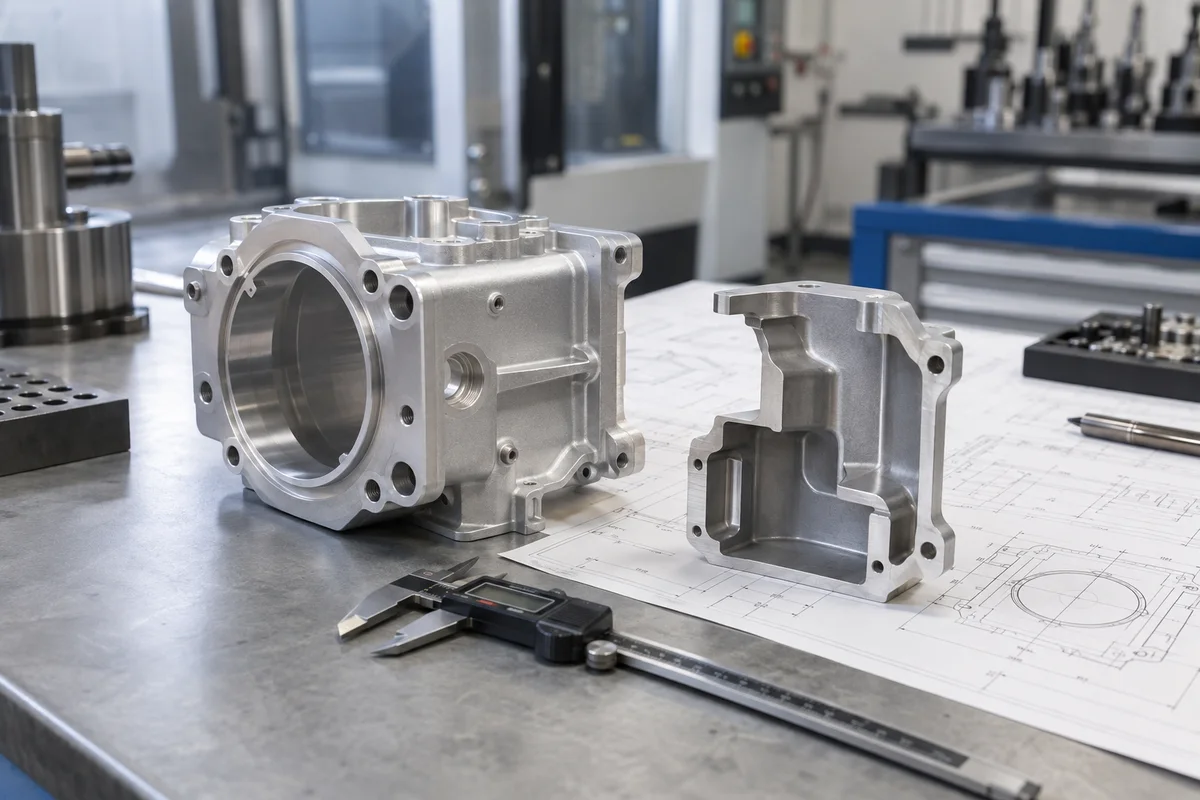
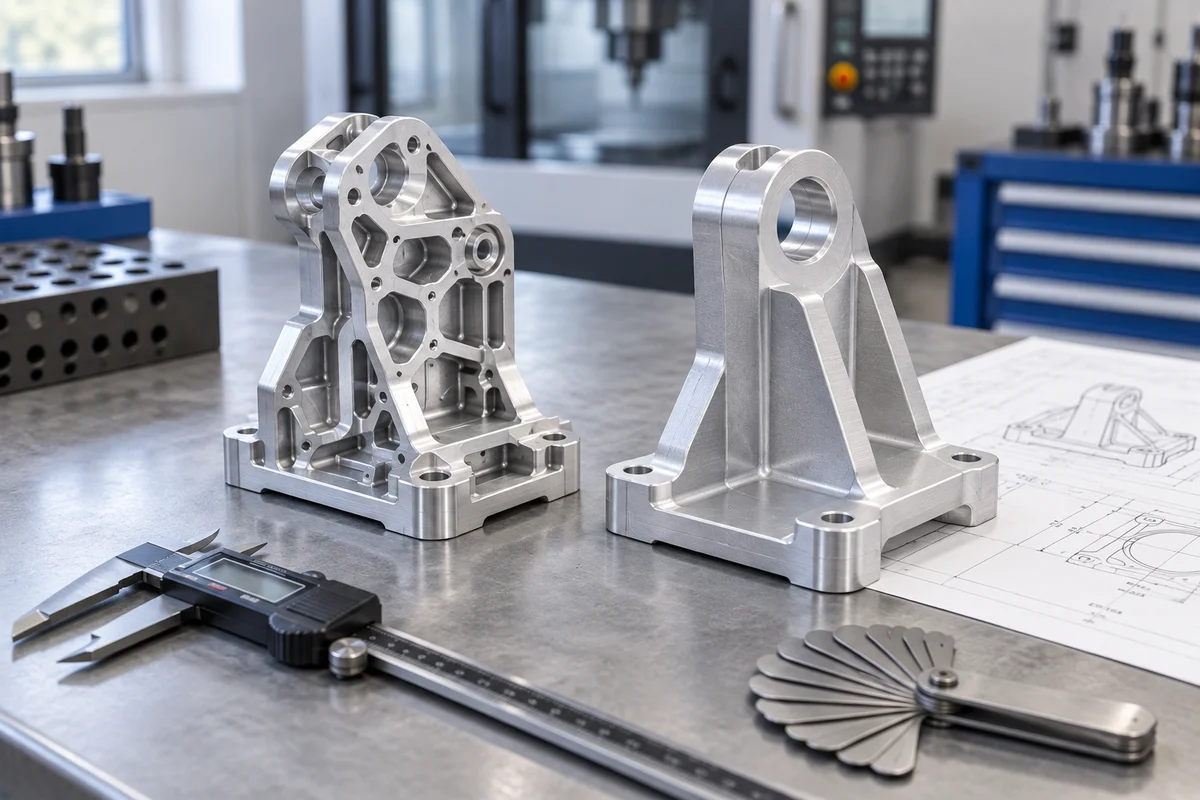
Internal corners, deep pockets, thin walls, tool access, workholding, and the number of orientations strongly affect cycle time and process stability. Small geometry changes can prevent an extra setup.
- Functional interfaces identified
- Critical dimensions prioritized
- Material and finish specified
- Inspection needs documented
03
Use tolerances selectively
Apply close tolerances only to functional interfaces and state them from meaningful datums. Generous non-critical tolerances give manufacturing more stable and economical options.
04
Review before release
A short DFM review before the drawing is frozen can uncover inaccessible features, ambiguous specifications, and finish conflicts while they are still inexpensive to correct.
Manufacture with clarity
Ready for an engineering review?
Upload your CAD file and share the material, quantity, finish, and critical requirements. Our team will review the actual project data before production.
Get an Instant Quote