Surface Finishing · Texture & Protection
Engineered Surfaces.Finished for Function.
Machining finishes and protective coatings selected around appearance, corrosion resistance, wear behavior, and real operating conditions.
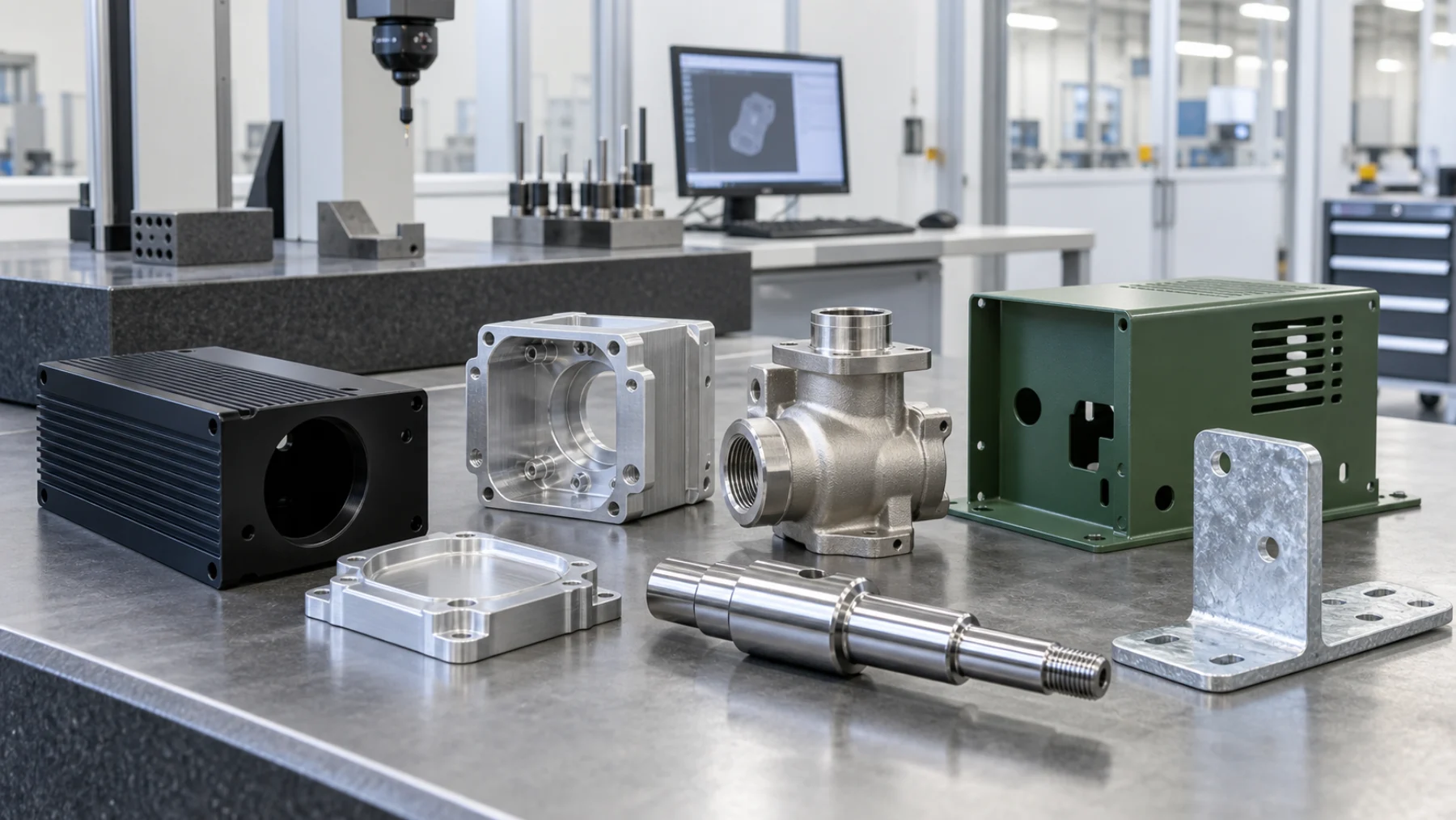
Start with your CAD file
Upload. Configure. Get your price.
Choose finish with your part
Matched to material and function
What Is Surface Finishing?
Surface finishing controls a part’s texture, appearance, and protection. The right specification depends on material, function, environment, and cosmetic requirements.
Finish Type
The final texture left on a metal surface after machining. Standard and smooth finish options provide different functional and visual results.
Ra Value
Surface roughness measured at the microscopic level. Lower Ra values indicate a smoother surface and help define overall finish quality.
Manufacturing Method
CNC milling, turning, and 3D printing each produce different achievable Ra ranges. The best finishing process depends on the manufacturing method.
Surface Coating Methods
Industrial coatings can improve corrosion resistance, appearance, wear behavior, conductivity, and paint adhesion.
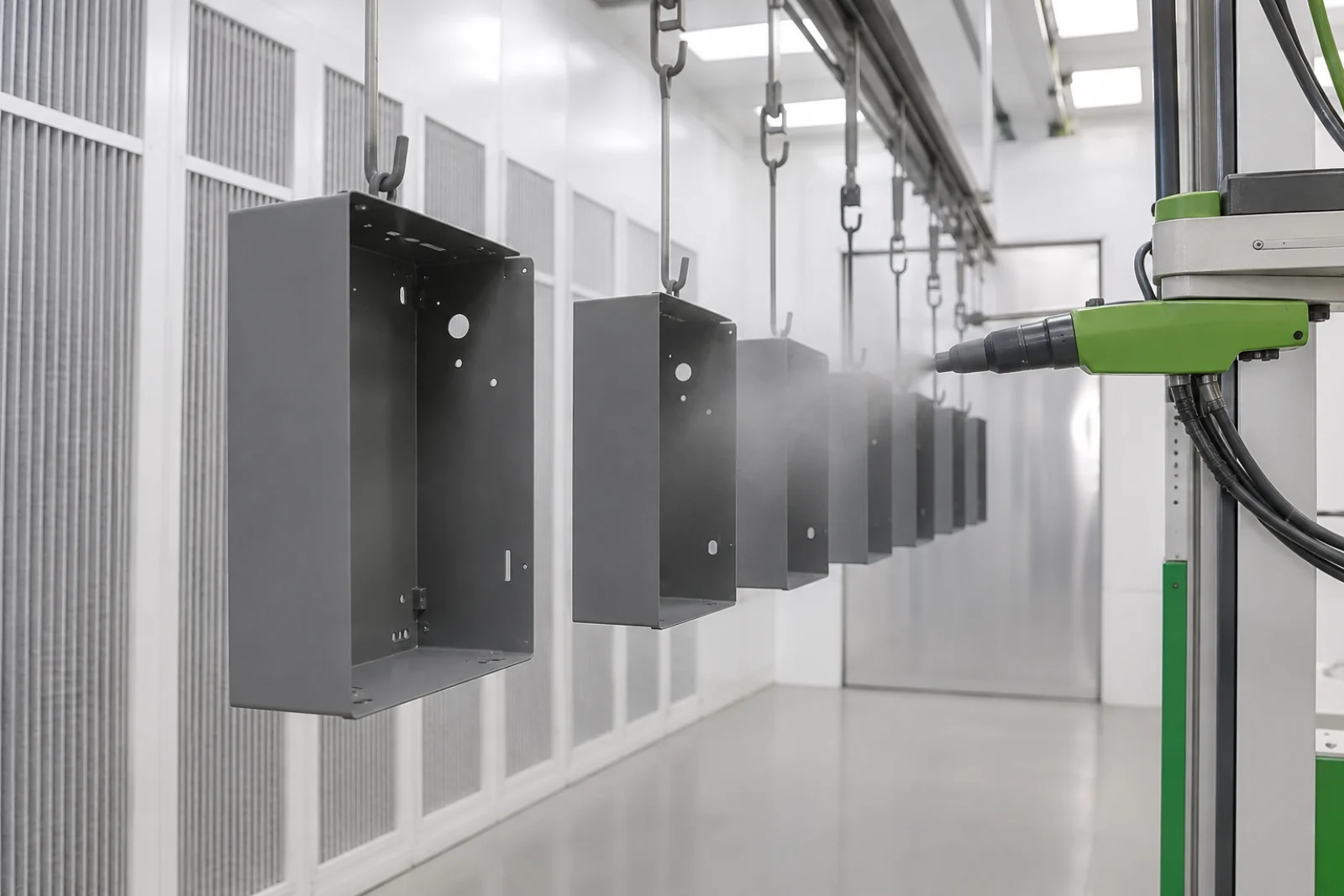
Powder Coating
Electrostatically applied powder creates a durable colored coating for steel and aluminum. Matte, satin, and gloss options are available in a broad range of colors.
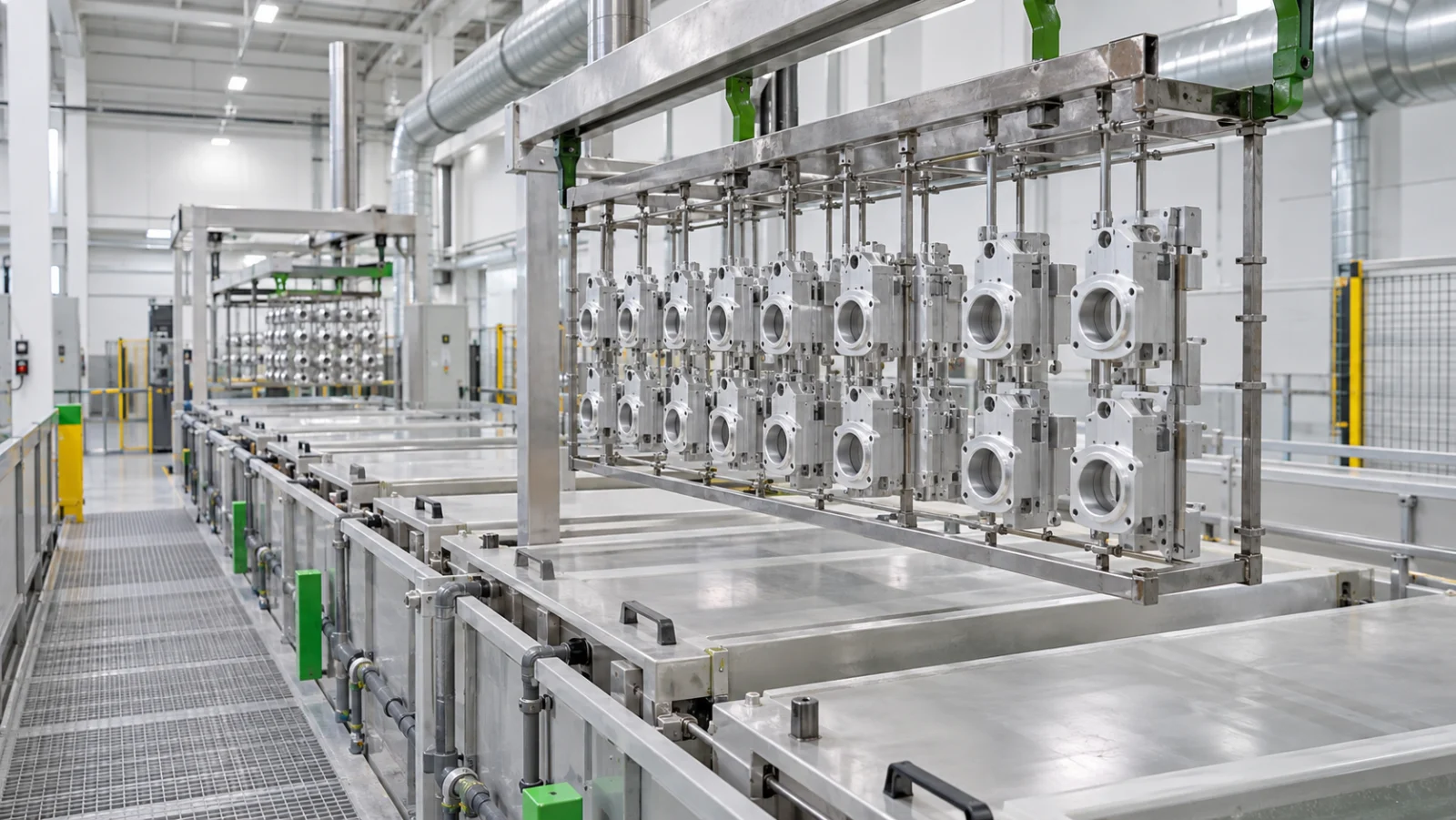
Anodizing
Anodizing forms a controlled oxide layer on aluminum to improve corrosion resistance, wear behavior, and appearance. Natural, black, and colored options may be available.
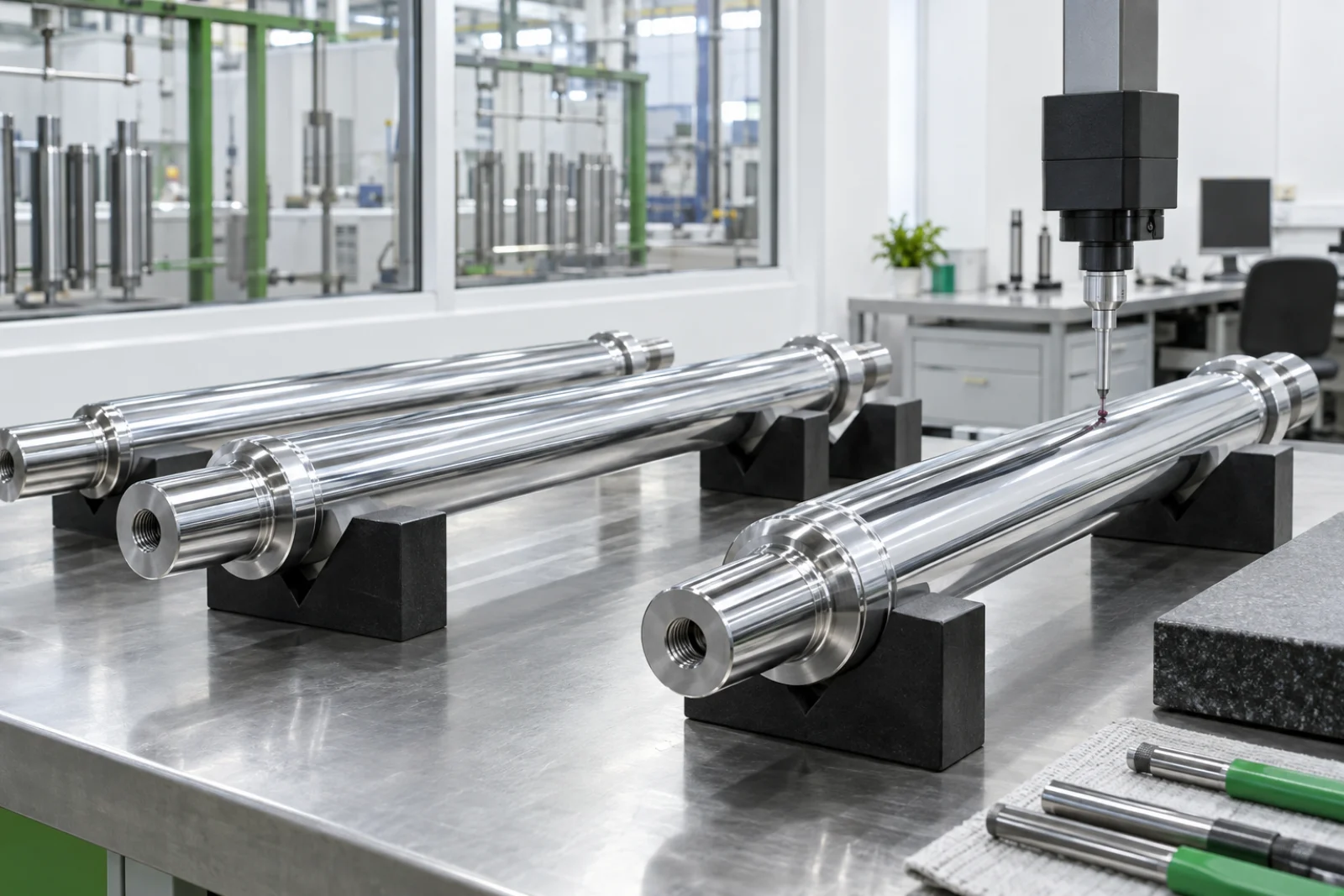
Chrome Plating
Decorative or hard chrome plating can provide a reflective appearance, wear resistance, and lower-friction behavior depending on the specification.
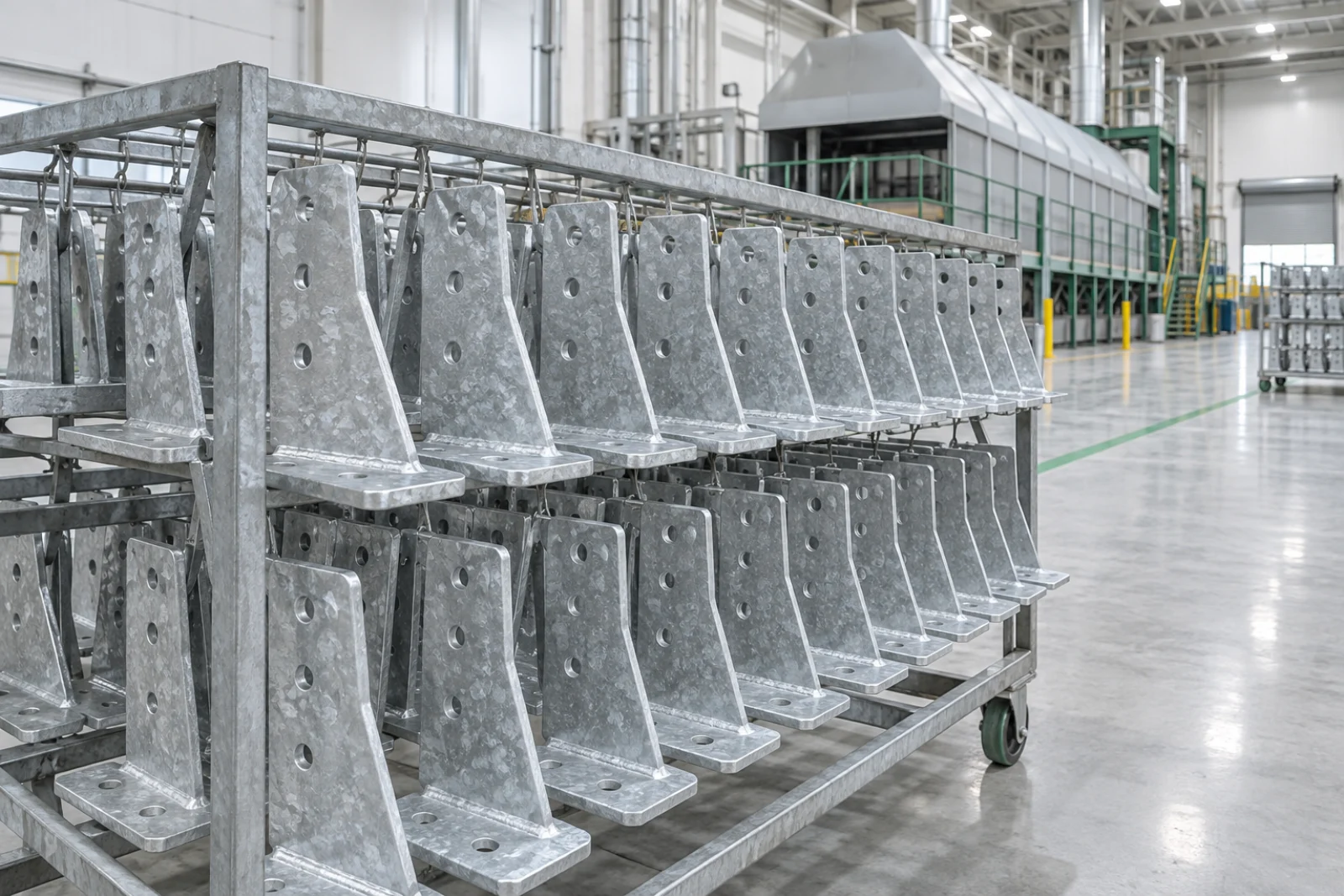
Hot-Dip Galvanizing
Steel parts are immersed in molten zinc to create a protective coating suited to outdoor structures and demanding environments.
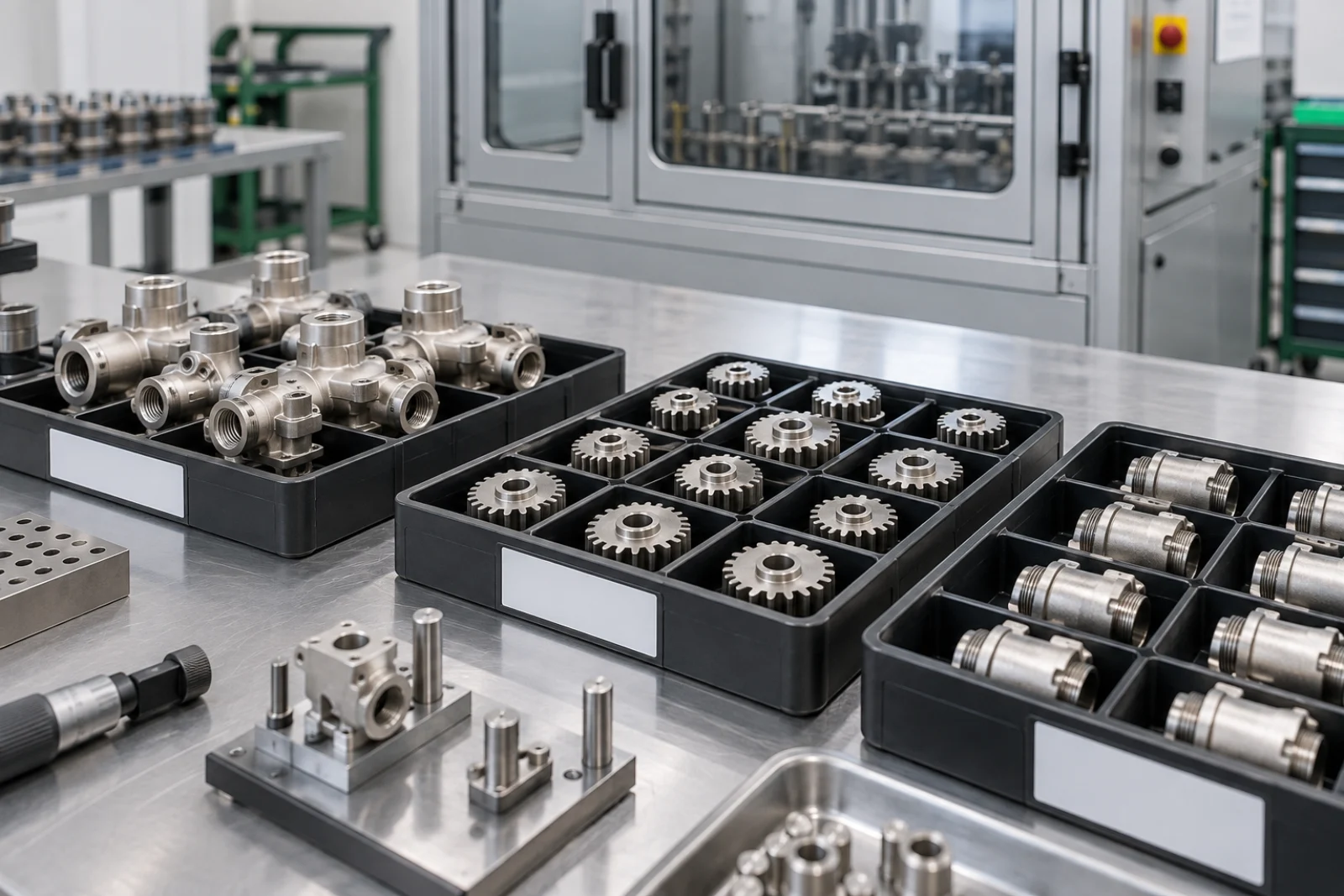
Nickel Plating
Electrolytic or electroless nickel deposits a controlled layer for appearance, wear behavior, conductivity, or corrosion resistance.
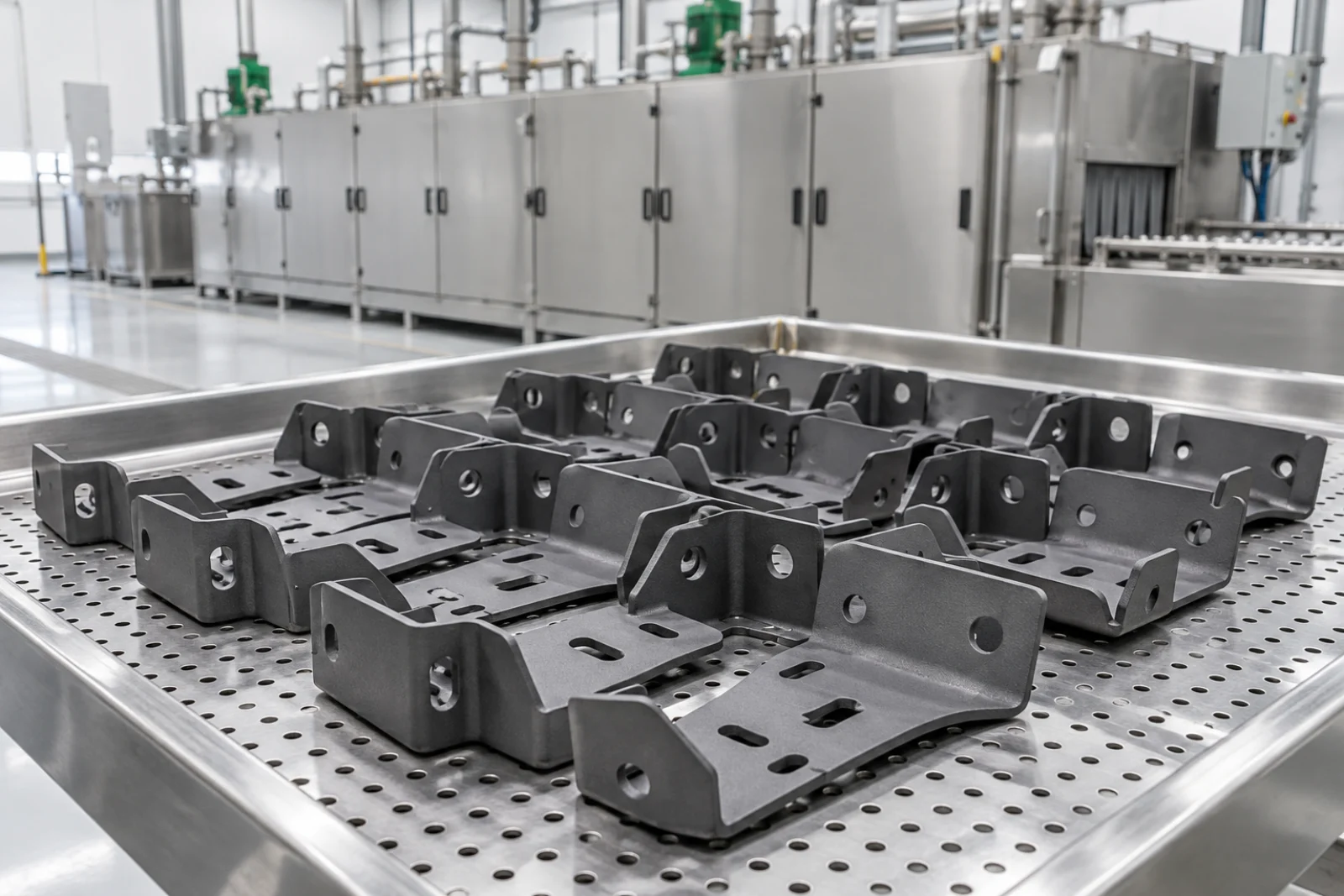
Phosphate Coating
A phosphate conversion coating prepares steel for paint, improves coating adhesion, and can provide short-term corrosion protection.
As-Machined Finish Options
Choose the machining finish based on functional contact, sealing, friction, and cosmetic requirements.
Standard Finish
A clean, deburred, matte machined appearance used when no additional finish is specified.
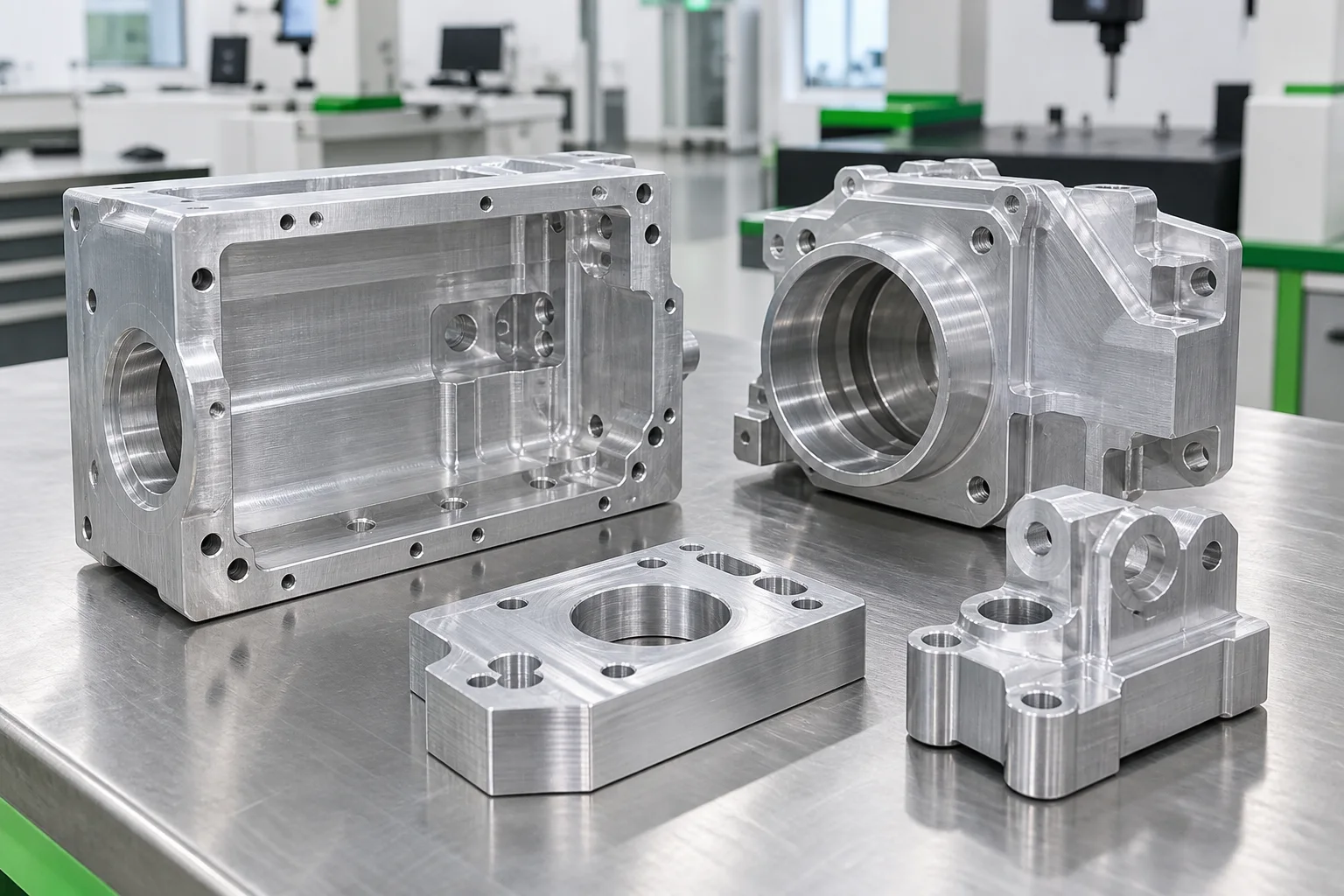
Smooth Finish
A smoother machined surface for lower friction, sealing contact, or improved appearance.
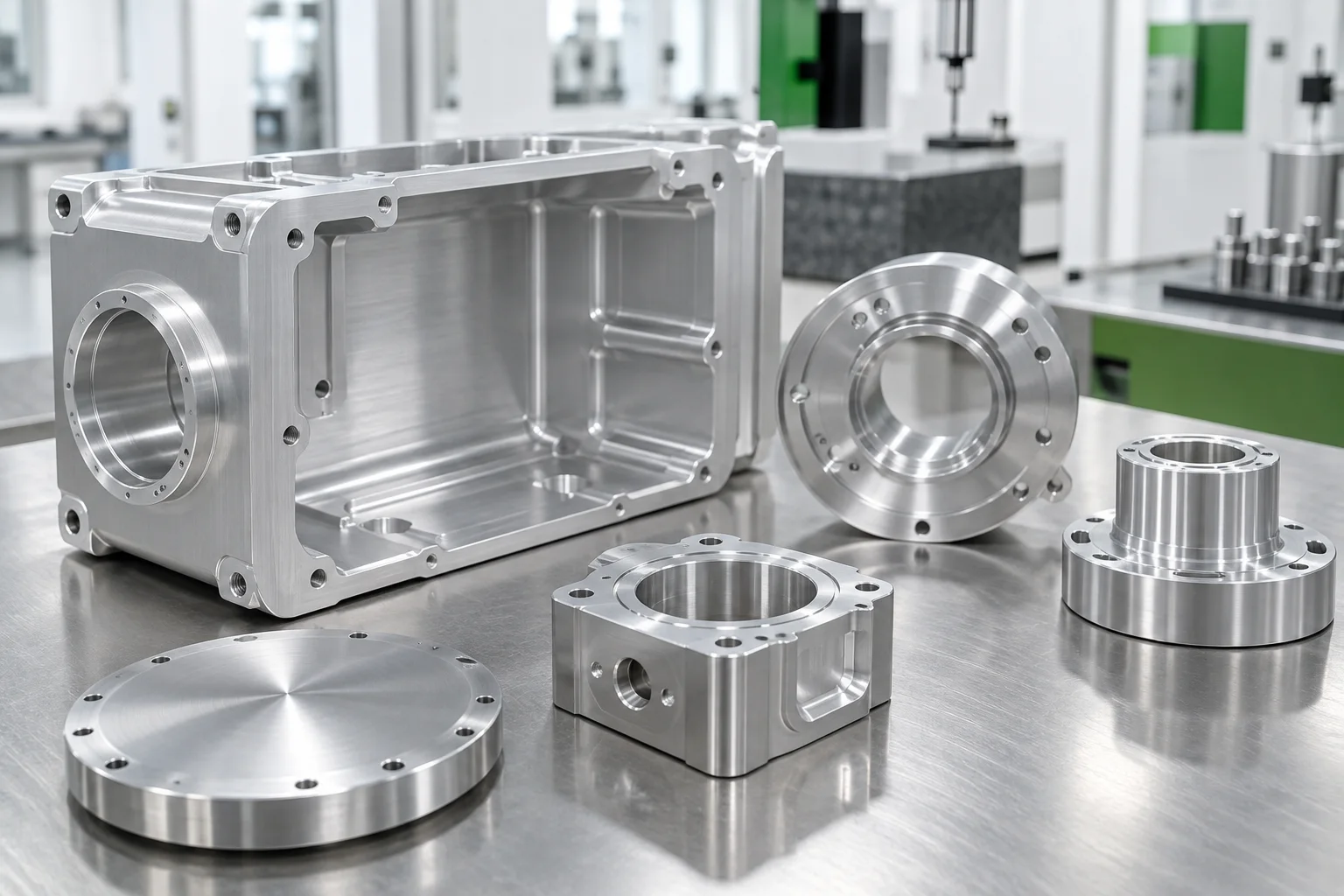
Machining Quality and Ra Values
Ra is an arithmetic-average measure of surface roughness expressed in micrometers. A lower Ra value indicates a smoother surface.
Specify critical Ra requirements on the technical drawing. When no special requirement is defined, the standard as-machined finish applies.
⚠️ Design Note
Lower Ra values generally require additional machining time and process control. Apply smoother finish requirements only to functionally critical surfaces.
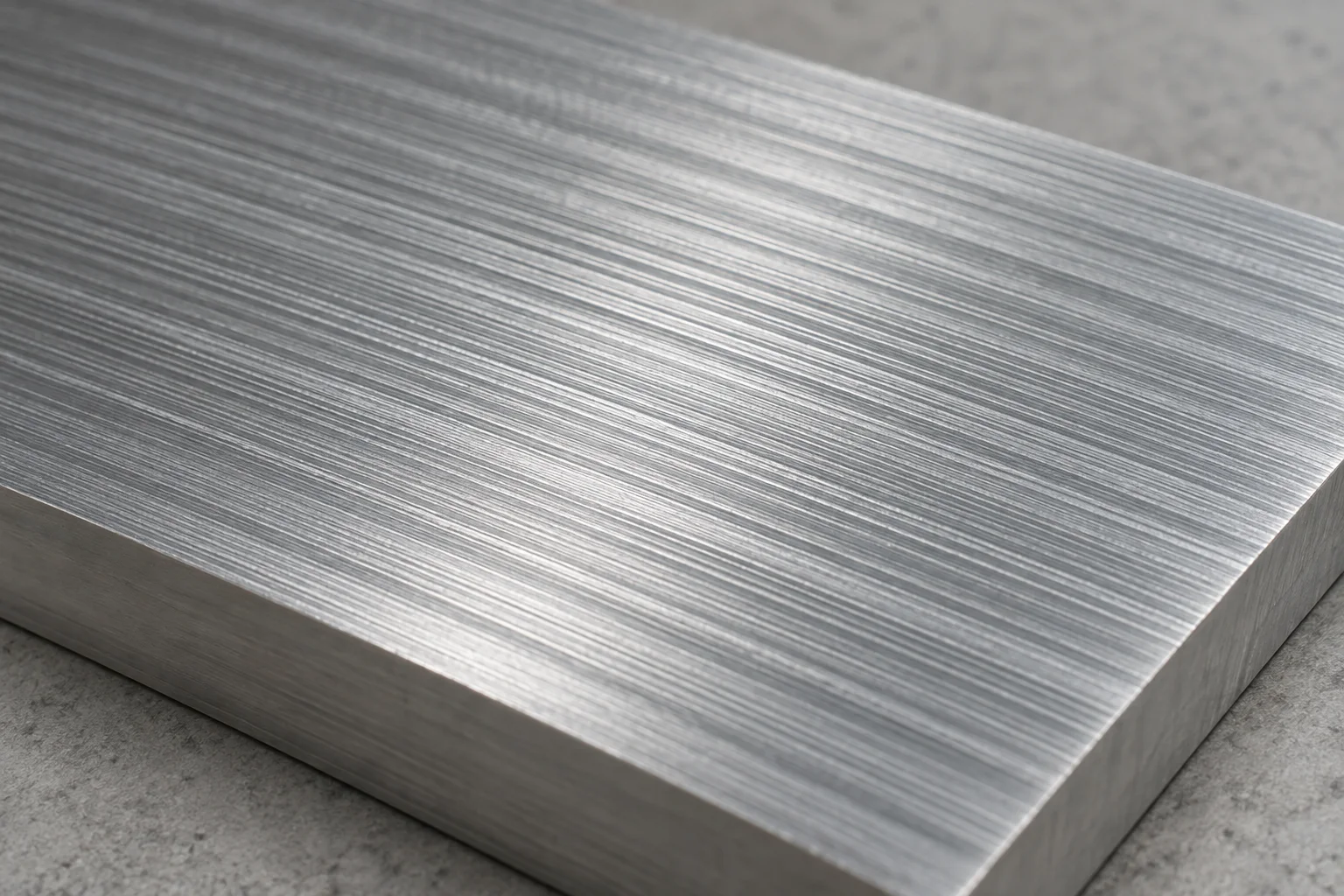
A clean, practical as-machined surface for general-purpose parts and prototypes.
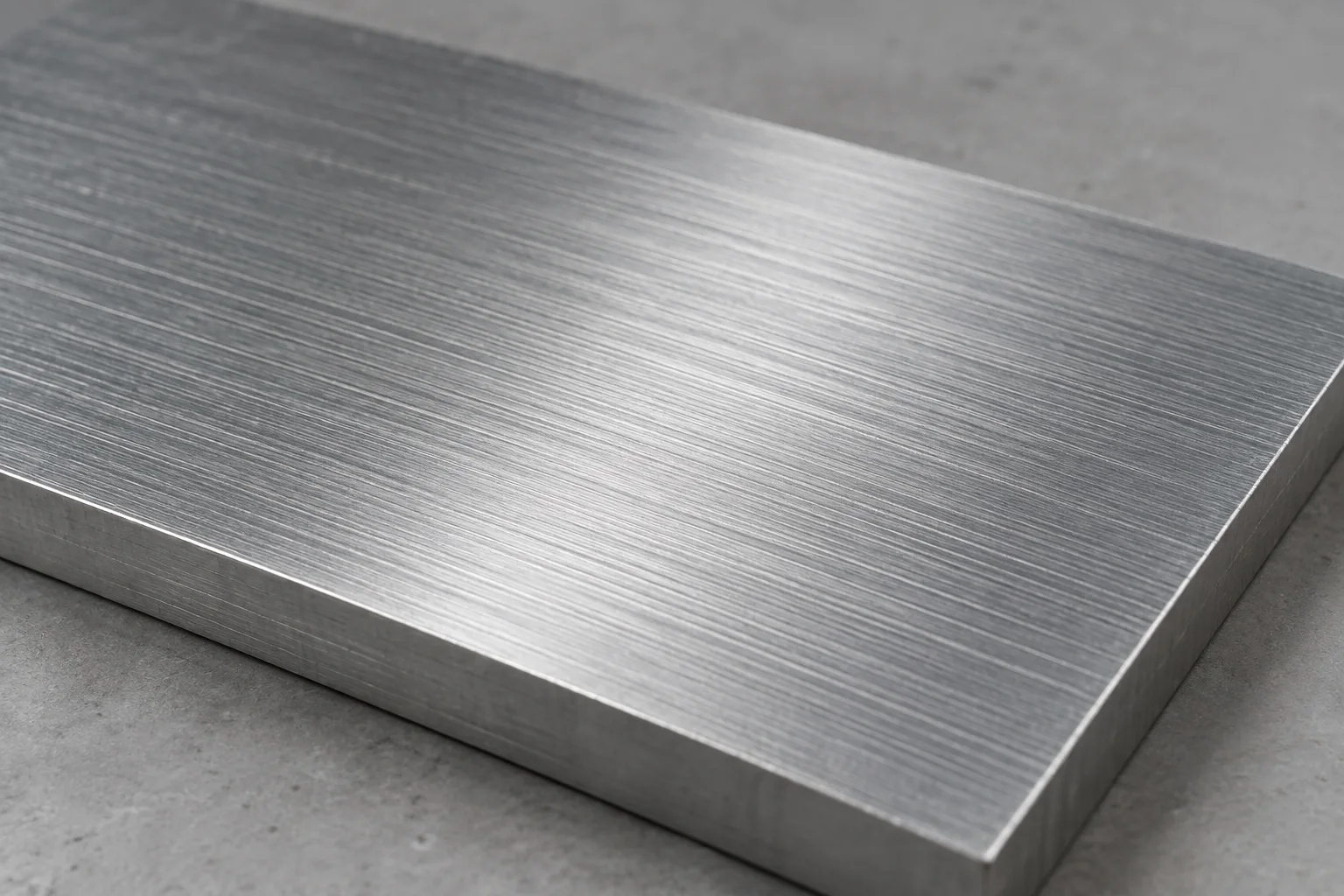
A smoother machined texture for precision assemblies, lower-friction contact, and sealing surfaces.
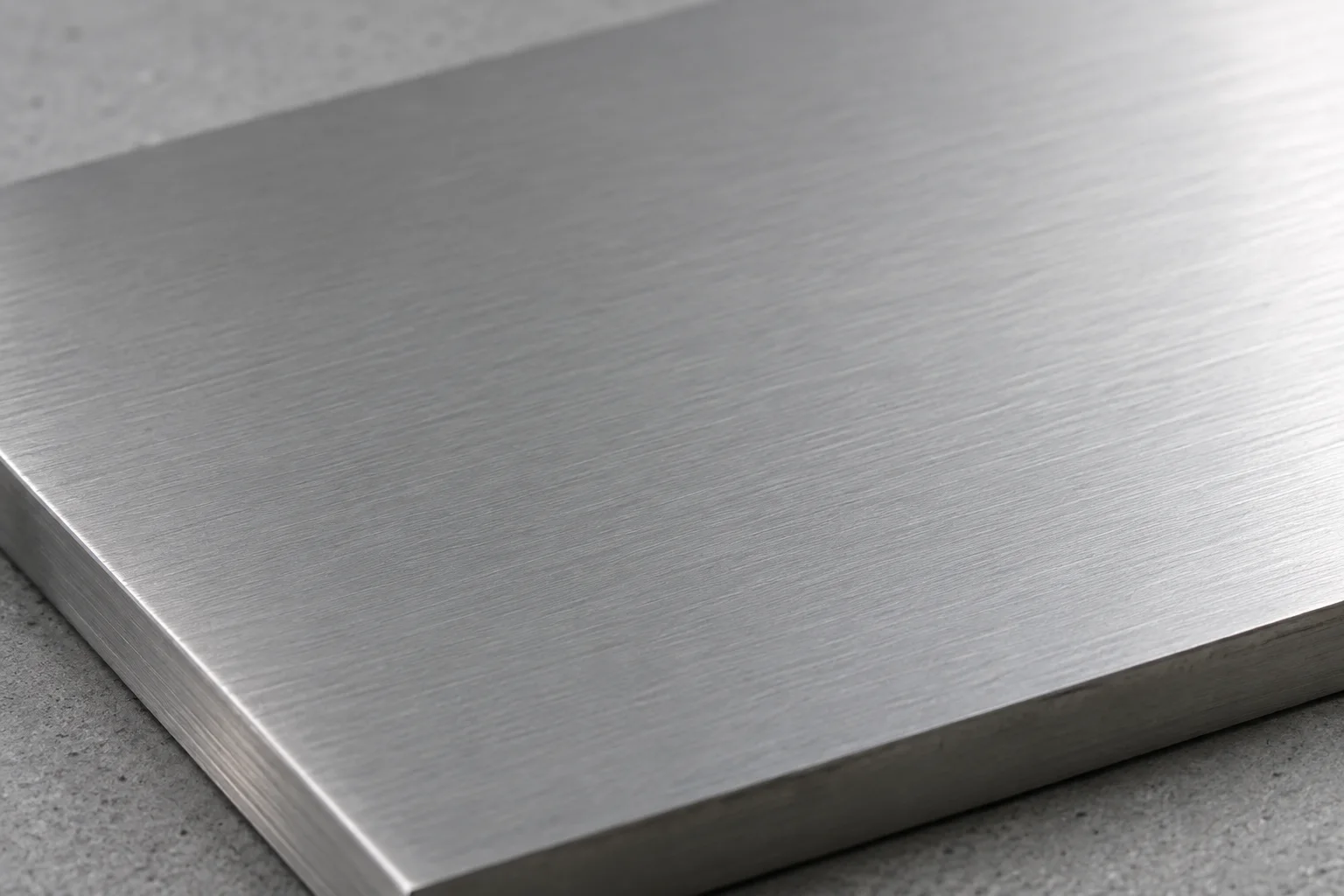
A fine machined surface for critical bearing seats, seals, and low-friction contact areas.
Finish and Ra Compatibility
Select a finish and roughness combination that matches the part’s functional and cosmetic requirements.
| Finish | Ra Value | Typical Use | Recommendation |
|---|---|---|---|
Standard | Ra 3.2 µm | Prototypes, structural parts, non-cosmetic surfaces | ✓ Default |
Smooth | Ra 1.6 µm | Precision interfaces and visible cosmetic parts | ↑ Recommended |
Smooth | Ra 0.8 µm | Bearing seats, sealing surfaces, critical contact | ↑ Critical surfaces |
Standard | Ra 1.6 µm | Select Smooth Finish when specifying Ra 1.6 | ✕ Incompatible |
Frequently asked
questions
Review common questions about Surface Finishing. Contact our team when your drawing, material, or inspection requirements need project-specific review.
Can’t find your answer? Send our team the project details and technical files for review.
→ support@partgo.usSurface Finishing
Coming Soon
This service will be available soon. Leave your email and we’ll notify you when it is ready.
Your next part starts here
Start building
better parts.
From first prototype to repeat production, tell us what you're building. Our manufacturing team will help you plan the fastest path forward.