Engineering takeaway
Treat the model, drawing, material specification, finish, and inspection plan as one production package. The best result comes from resolving tradeoffs before the part reaches the machine.
01
Tie every requirement to function
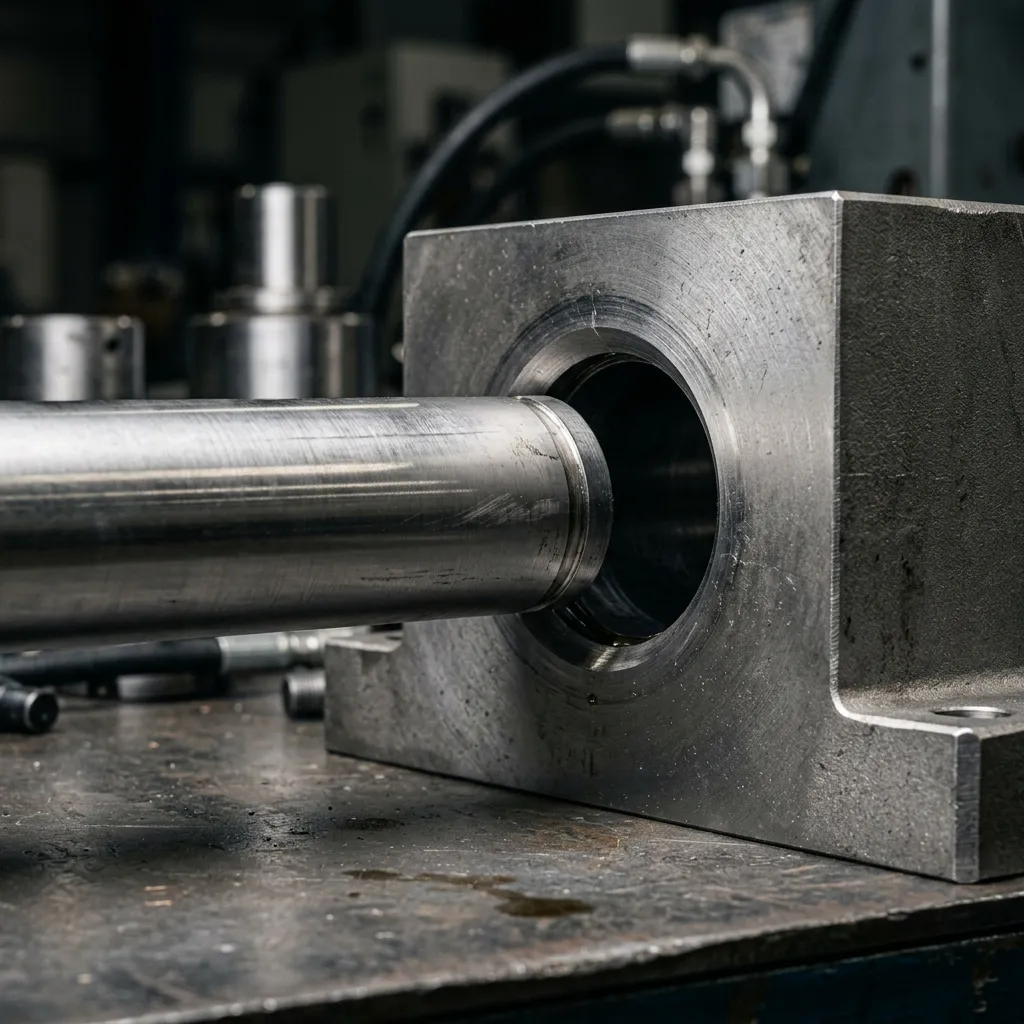
Fit Tolerances Press Fit Slip Fit is most effective when critical dimensions are connected to assembly, sealing, motion, alignment, or appearance. Avoid applying the tightest requirement to the entire part by default.
02
Create a measurable datum strategy
Use stable, functional datums and make the inspection intent unambiguous. Measurement results are more useful when the drawing and the physical setup reference the same interfaces.
- Functional interfaces identified
- Critical dimensions prioritized
- Material and finish specified
- Inspection needs documented
03
Understand the cost of verification
Tighter limits may require additional setups, slower machining, controlled environments, dedicated fixtures, or advanced inspection equipment. Focus verification effort where failure would matter.
04
Agree on acceptance before production
Identify the inspection level, sampling plan, report format, measurement method, and required documentation in the request for quote.
Manufacture with clarity
Ready for an engineering review?
Upload your CAD file and share the material, quantity, finish, and critical requirements. Our team will review the actual project data before production.
Get an Instant Quote