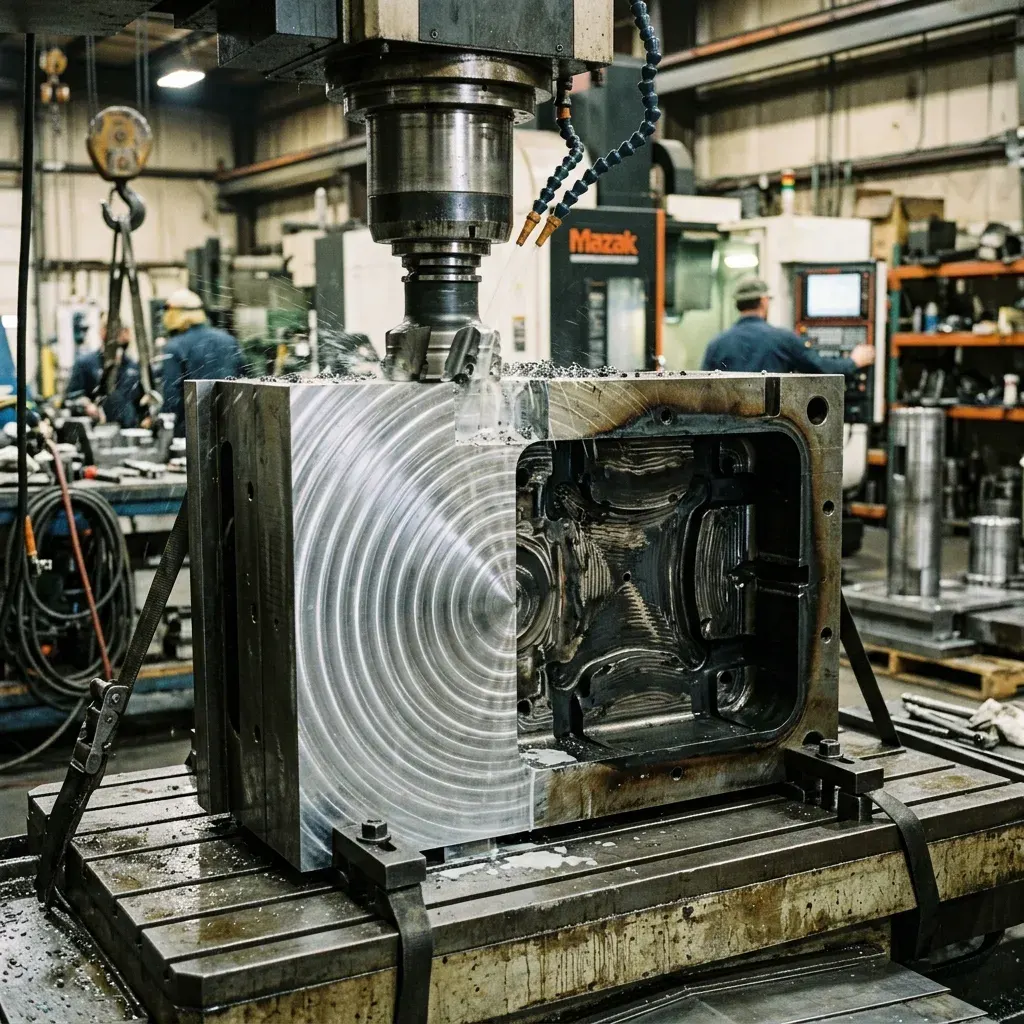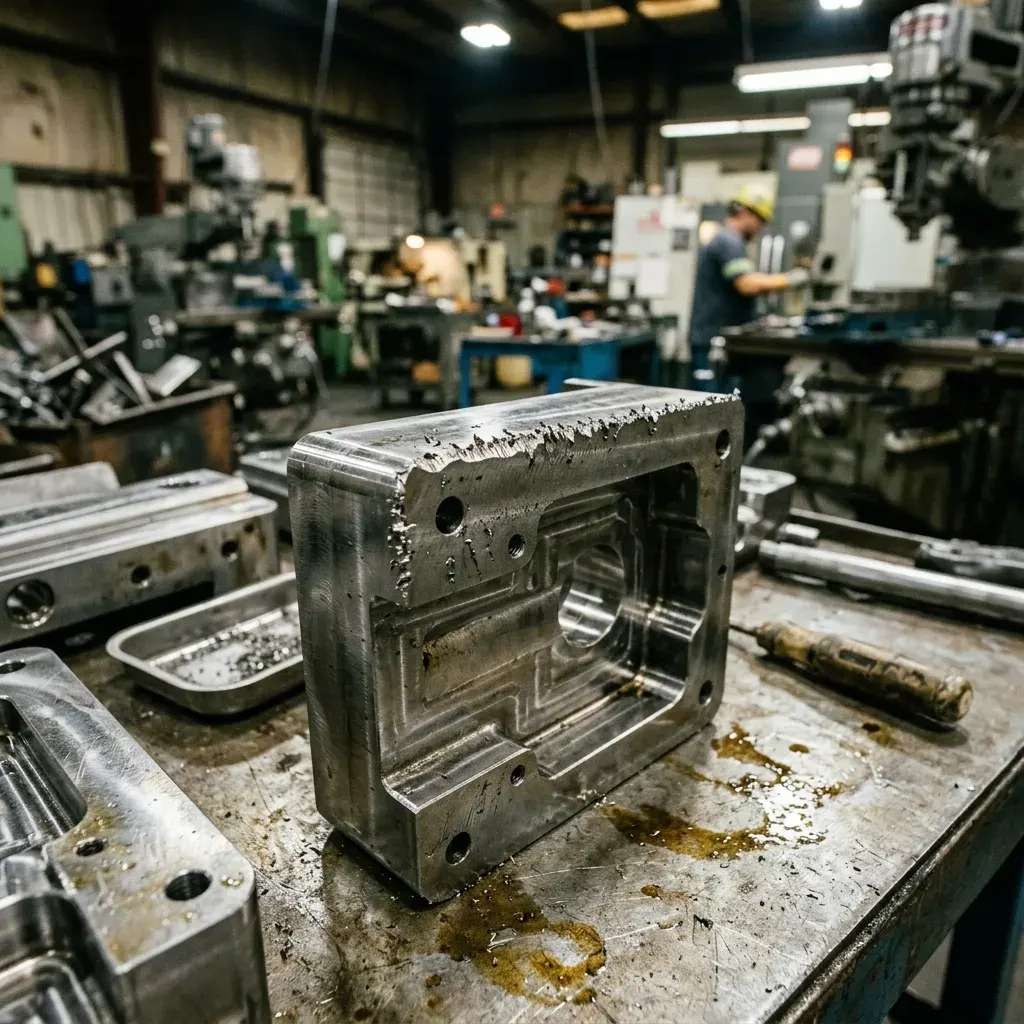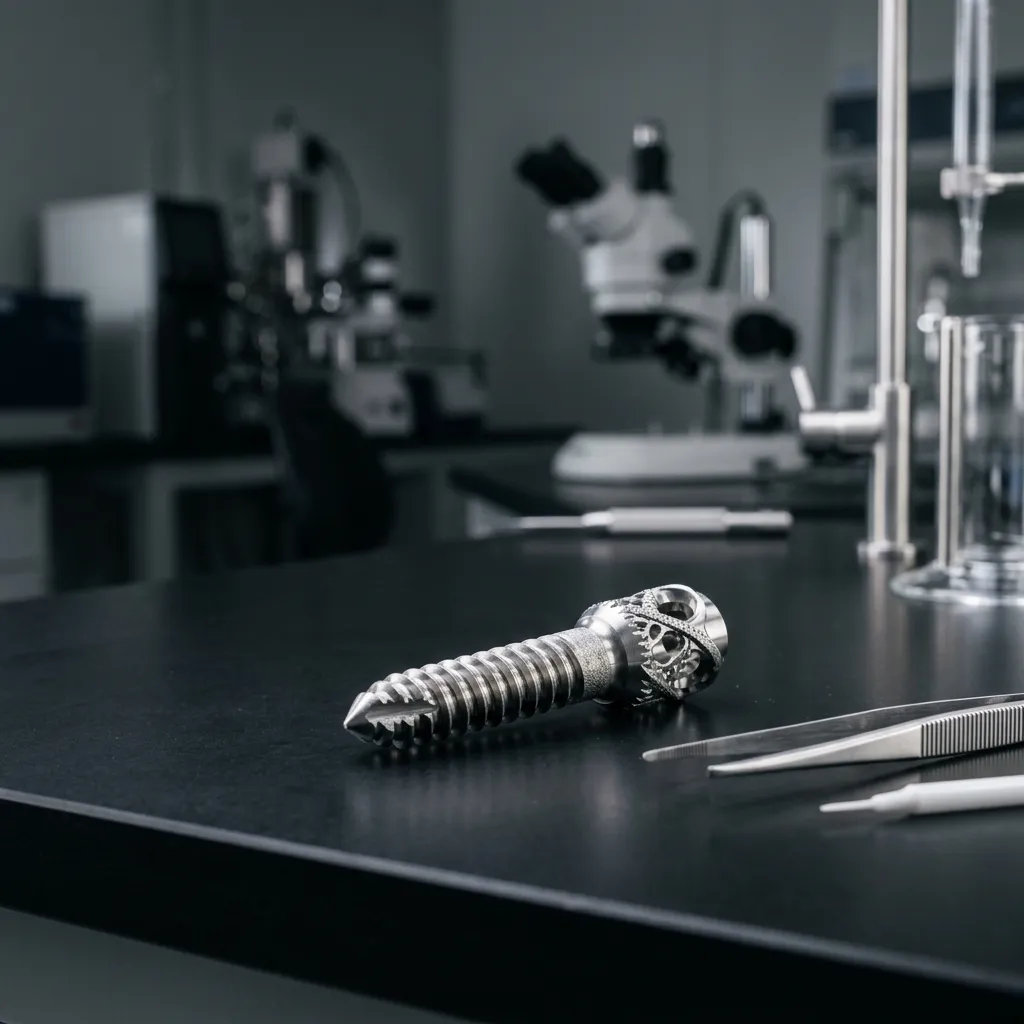
Engineering takeaway
Treat the model, drawing, material specification, finish, and inspection plan as one production package. The best result comes from resolving tradeoffs before the part reaches the machine.
01
Begin with the device-level requirement
Medical Biocompatible Materials must be evaluated against the component’s actual role, contact conditions, cleaning method, mechanical loads, and documentation needs. The drawing remains the controlling source for acceptance.
02
Control material and process history
Specify material grade, condition, traceability, restricted substances, cleaning expectations, and any required certifications. Avoid assuming that a material name alone defines suitability.
- Functional interfaces identified
- Critical dimensions prioritized
- Material and finish specified
- Inspection needs documented
03
Design for cleaning and verification
Accessible geometry, controlled surface texture, sensible radii, and measurable datums support cleaning, inspection, and repeatable assembly. Identify areas where residue or burrs would create risk.
04
Confirm project-specific compliance
Prototype and production requirements can differ significantly. Define validation, inspection, packaging, and documentation expectations during quotation rather than after parts are complete.
Manufacture with clarity
Ready for an engineering review?
Upload your CAD file and share the material, quantity, finish, and critical requirements. Our team will review the actual project data before production.
Get an Instant Quote